
Echinocereus stramineus
Echinocereus stramineus
Description
Growing requirements
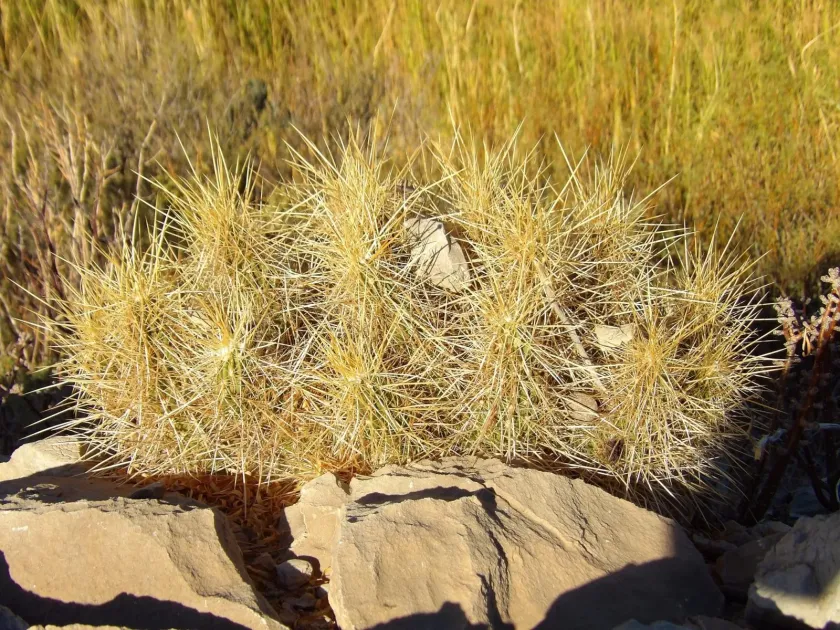
Echinocereus stramineus, commonly known as the straw-colored hedgehog cactus, is a member of the Cactaceae family. It is native to the Chihuahuan Desert, spanning across Northern Mexico and Southern Texas. The plant typically thrives on limestone cliffs and rocky slopes, forming dense, multi-stemmed clusters that can reach significant sizes over time.
To cultivate this species successfully, it is essential to replicate its arid habitat. The plant requires intense, full sunlight exposure to maintain its compact growth form and to trigger the production of its large, vibrant magenta flowers. A highly porous, mineral-based soil mix is mandatory to ensure rapid drainage, as this species is particularly sensitive to waterlogged conditions.
Environmental management involves balancing the heat of the growing season with a distinct winter dormant period. During winter, it is crucial to keep the substrate dry and the temperatures relatively cool, which prepares the cactus for spring blooming. This seasonal cycle is vital for the physiological health of the plant.
The botanical structure of Echinocereus stramineus is defined by its stiff, straw-colored spines that encase the stems, protecting the epidermis from intense heat. These stems produce edible, berry-like fruits that mature during the summer. Its slow-growing nature makes it an ideal subject for specialized succulent collections and xeriscaping projects.
Economically, Echinocereus stramineus is valued as an ornamental plant in desert-style landscaping and container gardening. Beyond its aesthetic appeal, the fruit of this species has historical and local value as a food source. The plant's drought tolerance makes it a sustainable choice for water-conservative gardens in appropriate climatic zones.
Main diseases and pests
The primary threat to the health of this species is root rot caused by improper drainage or excessive irrigation, especially during dormant periods. Poor air circulation around the stems can also encourage opportunistic fungal growth on the skin of the cactus.
Pest management should focus on common succulent pests such as spider mites, mealybugs, and scale insects. These pests often find refuge among the dense spines, making early detection and treatment with appropriate systemic insecticides or natural oils essential for maintaining plant vigor.