
Echinocereus scopulorum
Echinocereus scopulorum
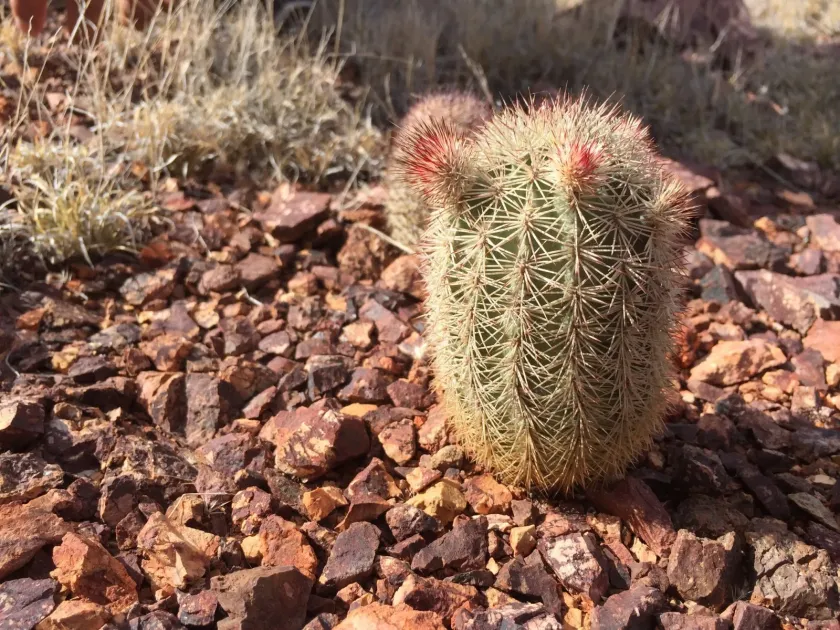
Description
Sowing dates
The propagation of Echinocereus scopulorum is primarily achieved through seeds. Sowing should take place in the spring, maintaining a consistent temperature between 20 and 25 degrees Celsius to ensure optimal germination rates.
The growing medium for seeds must be well-draining, consisting largely of sand and fine grit. Sterilizing the substrate is a critical step to prevent damping-off disease, which is common in young cactus seedlings.
Seedlings are pricked out once they reach the size of a small pea. This stage typically occurs during the second year, allowing for sufficient root development to handle the transfer into individual pots safely.
Vegetative propagation is possible by separating offsets from the parent plant. It is essential to let the cut surface dry and form a callus for several days before placing the cutting into the soil to prevent rotting.
The best season for vegetative propagation is late spring or early summer when the plant is in its active growth phase. During this time, the metabolic activity is high, which promotes rapid root establishment.
Growing requirements
Echinocereus scopulorum is a member of the Cactaceae family, naturally occurring in the arid landscapes of Mexico. It is specifically adapted to intense solar radiation and long periods of drought throughout the year.
Cultivation requires abundant direct sunlight. In indoor settings, placing the plant in a south-facing window or using artificial grow lights is necessary to prevent etiolation, where the stem becomes elongated and weak.
Temperatures should range from 22 to 30 degrees Celsius during the active growing season. During winter, a dormancy period is essential, requiring temperatures between 8 and 12 degrees to facilitate flower bud initiation.
The ideal soil mix must be highly permeable, featuring a blend of coarse sand, perlite, and a minimal amount of loam. This structure ensures that moisture does not remain trapped around the root system for extended periods.
Watering must be done sparingly, specifically only when the soil has completely dried out. In the winter, watering should be minimized or stopped entirely, as low temperatures combined with moisture cause rapid rot.
Main diseases and pests
The most significant threats to this species are fungal and bacterial rots, often triggered by improper irrigation practices. Maintaining adequate airflow is crucial to reduce the humidity around the stem and roots.
Common pests that infest this cactus include the red spider mite, which can damage the skin, and mealybugs. In some cases, root mealybugs can settle in the soil, requiring the use of systemic soil insecticides.
Proactive care involves regular inspections of the plant's surface and the root area. Using systemic fungicides and insecticides early in the season can significantly reduce the risk of infestation and disease.
If rot is detected, immediate surgical excision of the affected tissue is required. The wound should be dusted with charcoal powder and kept dry for several days to ensure proper sealing of the injured area.
Maintaining a high level of hygiene in the growing space is essential. Disinfecting pots and tools, alongside careful monitoring, helps keep the Echinocereus scopulorum healthy and resistant to common pests.