
Echinocereus russanthus
Echinocereus russanthus
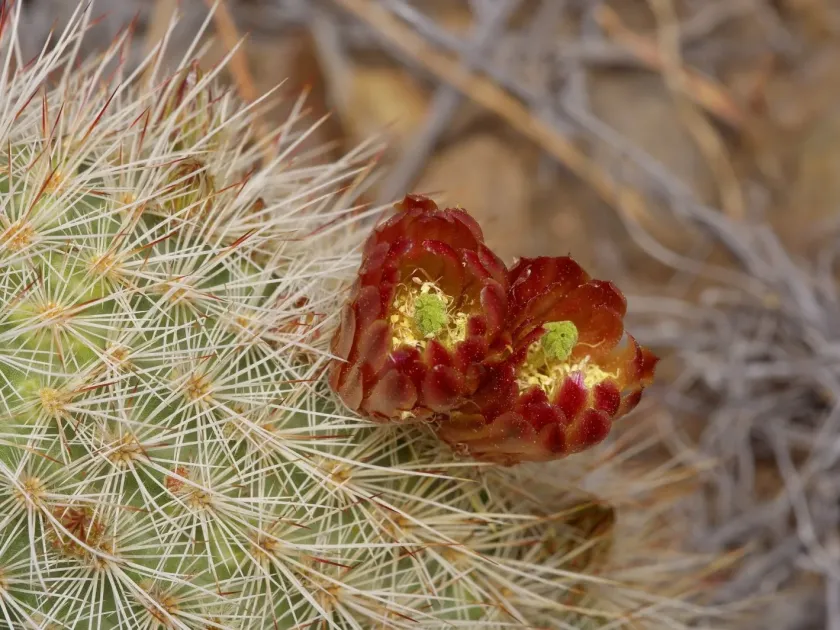
Description
Sowing dates
Sowing seeds of Echinocereus russanthus is best performed in early spring when the light intensity begins to increase. March or April is the optimal window, providing seedlings with the necessary energy for vigorous development.
A well-draining, mineral-based substrate is essential for seed germination. A mixture of fine-grained sand, perlite, and a small amount of peat or topsoil works best to hold just enough moisture without becoming waterlogged.
Maintain a constant temperature between 22 and 25 degrees Celsius for consistent germination. Covering the container with transparent plastic helps maintain high humidity levels during the initial phase.
Once seedlings emerge, the cover should be removed gradually to acclimatize them. Watering at this stage must be done via a fine mist to avoid washing away the delicate young roots.
Transplanting (pricking out) the young cacti into individual pots should be delayed for at least 6 to 8 months to ensure the root systems are robust enough to withstand the move.
Growing requirements
Echinocereus russanthus is a member of the Cactaceae family native to the rugged mountainous regions of Mexico and the Southwestern United States. This species thrives in direct, intense sunlight, which is crucial for maintaining its characteristic shape and spine density.
The soil profile must be predominantly mineral. A mix of pumice, lava rock, and coarse sand with very little organic matter is ideal to mimic the natural rocky environments where these plants grow in the wild.
Summer irrigation should follow the 'soak and dry' method, where the soil is allowed to dry out completely before the next watering. It is vital to ensure that water does not pool at the base of the stem.
A cool winter dormancy period is essential for flowering. Temperatures should drop between +5 and +10 degrees Celsius, and all watering should be suspended to encourage the plant to rest.
Proper air circulation is necessary to prevent fungal issues. Placing the plant in a well-ventilated spot helps the substrate dry out efficiently and mimics the natural wind exposure of its habitat.
Main diseases and pests
The primary concern for Echinocereus russanthus is root rot, typically caused by overwatering or poor drainage during cooler months. If the stem starts to turn soft or change color, the plant should be inspected immediately.
Mealybugs are the most common pests, often sheltering deep within the spines where they are hard to reach. Regular inspection with a magnifying glass is highly recommended for early detection.
Spider mites can become an issue in low-humidity environments, especially during the summer. Treatment with mild, specialized acaricides is effective if administered at the first sign of webbing.
Root aphids can also cause the plant to decline rapidly. Using sterilized soil and isolating new additions to your collection are the best preventative measures against such infestations.
- Perform regular visual checks of the epidermis.
- Maintain a strict dry winter dormancy.
- Use only high-quality, professional-grade fungicides.