
Echinocereus reichenbachii
Echinocereus reichenbachii
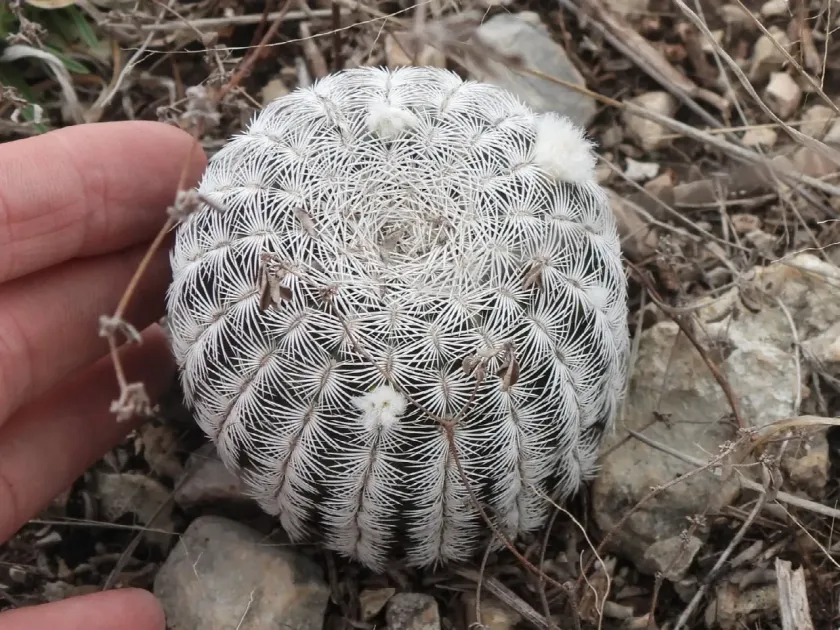
Description
Growing requirements
Echinocereus reichenbachii is a perennial succulent species belonging to the Cactaceae family. It is native to the arid regions of North America, particularly the central United States, including Texas, Oklahoma, and New Mexico, and extending into Northern Mexico.
This species thrives in rocky, well-drained limestone soils. In agricultural or horticultural settings, it is essential to replicate this by using a potting mix with high mineral content, including coarse sand and gravel, to prevent moisture accumulation.
The plant requires full sun exposure to maintain its characteristic compact growth habit and dense spine formation. Insufficient light levels often result in etiolation, where the stem becomes elongated and weak, significantly reducing the plant's ornamental value.
Climate requirements involve a distinct dormant period. During winter, the plant should be kept in a cool, dry environment (around 5–10 degrees Celsius) to stimulate flowering in the spring. In the growing season, moderate warmth and careful watering are necessary.
The primary use of this culture is ornamental. It is highly valued in the nursery industry for its aesthetic appeal, particularly its radial spines and large, showy, pink to magenta flowers, making it a staple for specialized succulent collections.
Main diseases and pests
The most significant threat to the culture is root rot caused by overwatering or poorly aerated substrate. Maintaining a dry environment during the dormant season is a crucial preventive measure for long-term survival.
Common pests include mealybugs that congregate in the areoles and spider mites which thrive in low humidity. Routine monitoring and the use of appropriate systemic pesticides are standard practices for maintaining healthy specimens.