
Echinocereus rayonesensis
Echinocereus rayonesensis
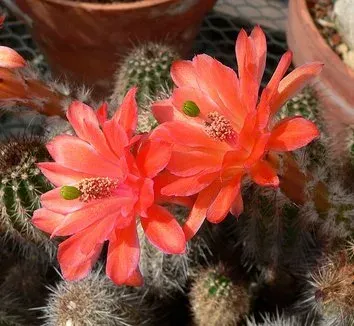
Description
Sowing dates
Propagation of Echinocereus rayonesensis is primarily achieved through seeds. Sowing is best performed in the spring, allowing the young seedlings to benefit from increasing natural light intensity, which is critical for their early growth stages.
Seeds should be sown in a sterilized, well-draining substrate composed of sand and perlite. It is essential to keep the surface consistently moist until germination, which usually takes two to three weeks under optimal conditions.
Maintaining a temperature range of 20 to 25 degrees Celsius is ideal for successful germination. High humidity must be sustained initially, but air circulation should be improved gradually as the seedlings begin to grow to prevent fungal infections.
Seedlings remain sensitive to environmental changes for their first year. During this time, they require regular monitoring to ensure they do not dry out completely or suffer from excessive moisture, which can cause rapid damping-off.
Once the plants have reached a sufficient size, they are pricked out into individual pots. This transition requires careful handling of the delicate root systems to avoid damage and stress, which could hinder further development.
Growing requirements
Echinocereus rayonesensis is a member of the Cactaceae family, originating from arid regions in Mexico. These plants are naturally adapted to high light exposure and thrive in environments where seasonal drought is the norm.
To cultivate this species successfully, it is imperative to provide as much natural light as possible. In indoor settings, south-facing windows or supplementary LED grow lights are necessary to prevent the cactus from etiolating and losing its natural shape.
The soil requirements involve a highly permeable mixture that does not retain excess water. A standard recommendation includes a base of peat-free substrate mixed with coarse gravel, pumice, or volcanic rock to ensure rapid drainage.
Watering habits must follow a strict seasonal pattern. During the active growth phase, water should be applied only after the potting medium has dried out completely. Overwatering is the most frequent cause of root rot in this species.
Winter dormancy is vital for the health and blooming potential of the plant. A cool, dry environment with temperatures between 5 and 10 degrees Celsius is required, with no watering during this period to allow the plant to rest.
Main diseases and pests
Fungal and bacterial rots are the most significant threats to Echinocereus rayonesensis. These issues are almost exclusively associated with improper watering practices, particularly when the substrate stays damp for extended periods in low temperatures.
Mealybugs are a common pest that can infest the plant, hiding within the dense cluster of spines. These insects damage the cactus by sucking fluids from its tissues and can weaken the plant, making it susceptible to secondary infections.
Spider mites represent another potential danger, especially in hot, dry greenhouse environments. They cause small, discolored spots on the skin of the cactus, which detract from the aesthetic value and can lead to severe stress.
Effective management of these threats involves the use of specialized insecticides and strict hygiene in the growing area. Regular inspections are necessary to detect early signs of infestation before they can spread to the rest of the collection.
Maintaining proper ventilation and observing the plant's health periodically are the best ways to prevent disease. Removing dead plant tissue and ensuring the soil surface stays clean helps to mitigate the risk of pest colonization.