
Echinocereus pulchellus
Echinocereus pulchellus
Description
Sowing dates
Sowing seeds of Echinocereus pulchellus is best performed in early spring, taking advantage of the natural increase in day length and intensity of solar radiation. This timing supports the energetic development required for early root establishment.
The seeding substrate must be highly mineral-based and perfectly drained. A mix containing coarse sand, pumice, and a minimal amount of sifted sterile compost is ideal for preventing damping-off in young seedlings.
Seeds are scattered on the surface and lightly covered with fine mineral grit. Covering the container with transparent material maintains the humidity necessary for germination, while a temperature range of 22–25 degrees Celsius should be consistently managed.
Germination usually begins within one to three weeks. After the first cotyledons appear, it is essential to monitor moisture levels closely, ensuring the soil does not dry out completely while maintaining airflow to prevent fungal growth.
Hardening off young plants requires a gradual reduction in humidity over several months. Once the plants develop their characteristic spines, they can be treated with a more intermittent watering schedule as they transition into young mature specimens.
Growing requirements
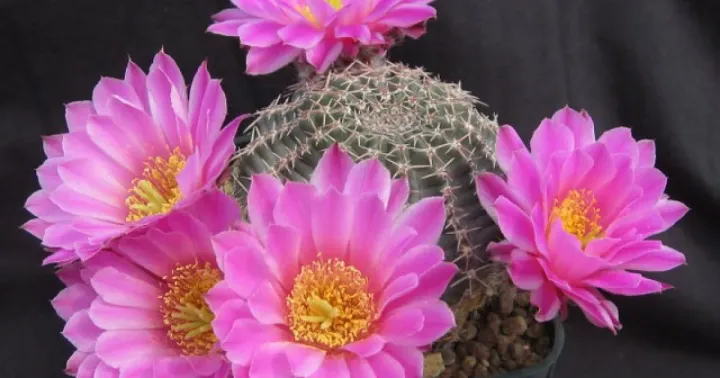
Echinocereus pulchellus belongs to the Cactaceae family, known for its distinct, low-growing, and often geophytic habit. Originating from the Mexican highlands, this species is perfectly adapted to environments with intense light and seasonal drought cycles.
High light intensity is the primary requirement for maintaining the plant's natural aesthetic and vigor. Without sufficient sunlight, the body of the cactus will etiolate, losing its compact, flattened appearance and becoming prone to structural instability.
The cultivation substrate must provide excellent drainage to mimic the rocky, arid habitats where this cactus originates. A mix consisting of 70% mineral components such as grit, perlite, and lava rock is recommended to prevent water retention around the roots.
Watering practices should strictly follow the cycle of the season. During the peak of the growing season, water should be applied thoroughly but only when the growing medium has dried completely. During winter dormancy, the plant must remain dry.
Temperature control during the winter is vital for blooming. Cool conditions (5–10 degrees Celsius) are required to initiate flower bud formation in the spring, allowing the plant to display its characteristic large, colorful flowers later in the year.
Main diseases and pests
Root rot is the most frequent threat, typically caused by excessive irrigation or poor drainage. Once internal tissue decay begins, it is often difficult to salvage the plant, emphasizing the importance of preventing water accumulation.
Mealybugs are common pests that hide within the crevices of the stem or at the base of the root crown. They extract sap, which can weaken the plant and lead to opportunistic fungal infections if not treated with appropriate insecticides.
Red spider mites thrive in hot, dry, and stagnant air, damaging the epidermis and leaving unsightly marks. Regular inspection of the stem surface and improved ventilation can mitigate the risk of infestation.
Fungal infections manifesting as rust or black spots on the skin usually indicate improper ventilation or excessive humidity. Prompt intervention with fungicides and improved air circulation are necessary to keep the Echinocereus healthy.
- Root rot (Phytophthora)
- Mealybugs
- Spider mites
- Bacterial soft rot