
Echinocereus pseudopectinatus
Echinocereus pseudopectinatus
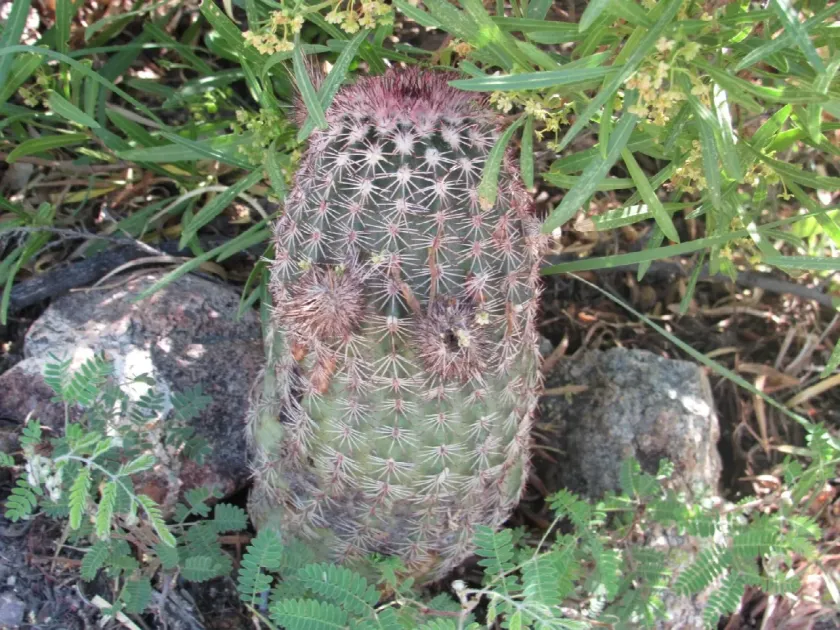
Description
Sowing dates
Seed propagation of Echinocereus pseudopectinatus is best initiated in early spring. Seeds should be sown in a fine, sterile, mineral-based substrate that provides excellent drainage and aeration for developing roots.
Maintaining a stable temperature between 22 and 25 degrees Celsius is critical for germination success. High humidity should be managed within the seed tray during the first few weeks, gradually decreasing it as seedlings emerge.
Proper light management during the seedling stage is essential to prevent etiolation. Seedlings require bright but filtered light to ensure healthy growth before they are ready for their first potting.
The transition to mature conditions must be gradual, involving careful acclimation to full sunlight. Using a bottom-watering method helps prevent the delicate stems of young plants from rotting.
Repotting into individual containers is recommended after the first season, once the plant has developed a sufficient root system. A larger grain size for the substrate is preferred at this stage.
Growing requirements
Echinocereus pseudopectinatus is a member of the Cactaceae family, naturally occurring in arid regions of the United States and Mexico. It is characterized by its distinct, pectinate (comb-like) spines that cover the stem.
The plant thrives in well-draining, nutrient-poor soil compositions, such as a mix of pumice, coarse sand, and a small portion of loam. A neutral pH level is ideal for nutrient absorption.
Optimal growth requires high sunlight exposure throughout the growing season to maintain the plant's natural form and color. During winter, the plant enters a period of dormancy and should be kept dry.
Watering should be conducted sparingly, allowing the substrate to dry out completely between sessions. Excessive moisture during the cooler months is the most common cause of failure in cultivation.
This species is widely used in xeriscaping and as a prized specimen in succulent collections due to its slow growth and aesthetic beauty. It is highly suited for container gardening in temperate zones.
Main diseases and pests
The primary threat to the health of the plant is root rot caused by stagnant water in the soil. Once roots are compromised, the infection can rapidly spread to the base of the stem.
Spider mites are common pests that thrive in dry environments and can cause significant damage to the epidermis. Regular monitoring and the use of appropriate acaricides are recommended for control.
Mealybugs are another common concern, often hiding in the crevices between spines. Manual removal using alcohol-soaked swabs or systemic pesticides is necessary for heavy infestations.
Fungal pathogens like Fusarium can occur when the plant is kept in high-humidity environments with poor air circulation. Improving ventilation is a vital preventive measure for greenhouse-grown plants.
Correct winter dormancy conditions are crucial to prevent weakened resistance to pests and diseases. Ensuring the plant stays cool and dry during this phase is the best strategy for long-term health.