
Echinocereus poselgeri
Echinocereus poselgeri
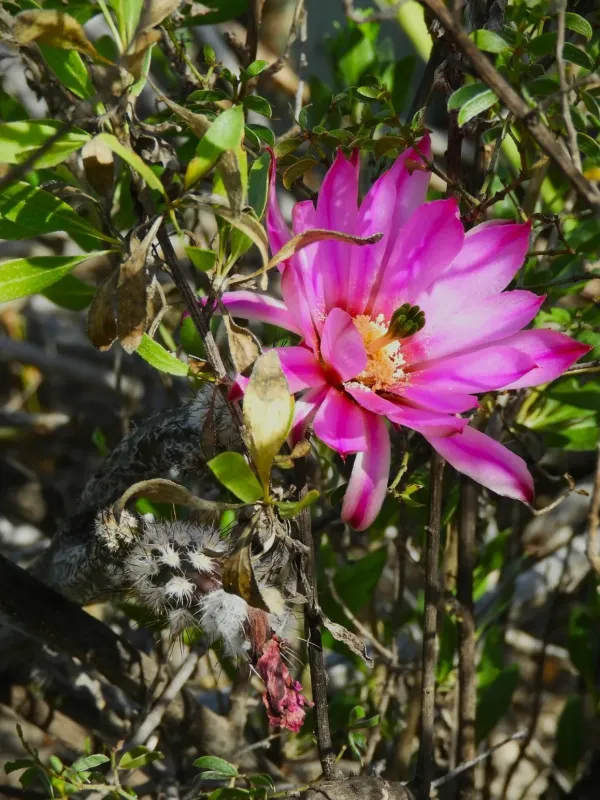
Description
Growing requirements
Echinocereus poselgeri is a distinctive species within the Cactaceae family. Native to the arid regions of northern Mexico and southern Texas, this plant has adapted to harsh desert environments with extreme temperature fluctuations.
Botanically, it is known for its thin, trailing, or pendulous stems that can grow quite long. It features a specialized tuberous root system, which serves as a vital storage organ for water and nutrients during extended periods of drought.
The plant demands high light intensity to thrive. In agricultural or ornamental settings, full sun exposure is mandatory to maintain the plant's structural integrity and ensure its natural growth habit.
Soil requirements focus primarily on excellent drainage. A gritty, mineral-rich substrate is preferred, as this prevents water stagnation around the roots, which is the most common cause of plant failure in this species.
Temperature management is a key aspect of cultivation. During the dormant winter season, the plant requires a cool environment to initiate flower bud formation, which is essential for its life cycle.
Main diseases and pests
The most significant threat to Echinocereus poselgeri is root rot, typically caused by overwatering or poorly draining soil. Fungal infections can rapidly colonize the succulent tissues if humidity remains too high.
Pests such as spider mites are frequent invaders, especially in dry and poorly ventilated conditions. These pests extract sap, leading to unsightly scarring on the surface of the stems.
Mealybugs can also infest the crevices of the plant. Monitoring and early intervention with targeted acaricides or insecticides are crucial to prevent widespread damage to the crop.
Good ventilation is the best preventative measure against most pathogenic threats. Ensuring airflow allows the surface of the plant to remain dry and discourages the establishment of pests.
In cases of infestation, removing the affected parts and applying appropriate localized treatments can often save the plant, provided the disease has not reached the critical root zone.