
Echinocereus polyacanthus
Echinocereus polyacanthus
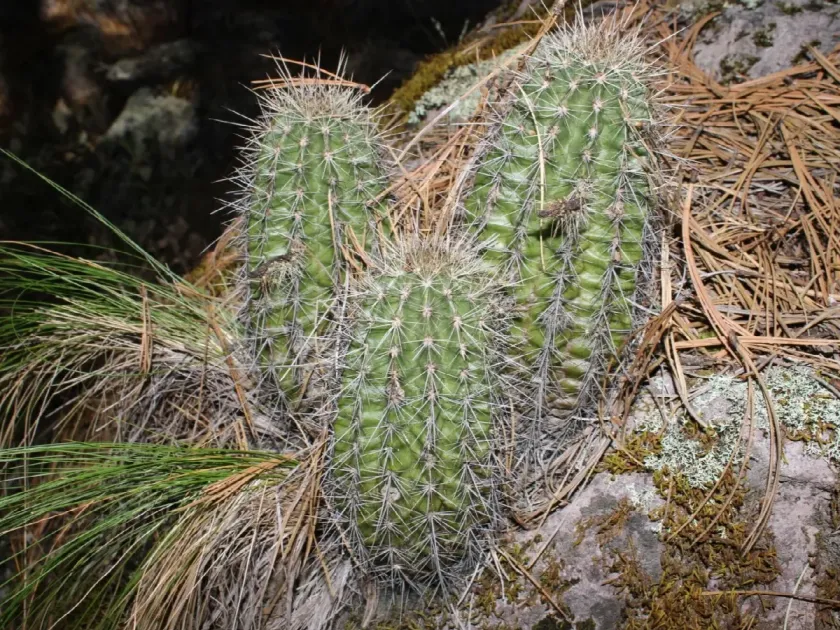
Description
Sowing dates
Sowing seeds of Echinocereus polyacanthus is best performed in early spring as the daylight increases. This timing ensures that young seedlings receive enough natural light to establish robust growth.
Maintain a constant temperature between 22 and 25 degrees Celsius for optimal germination. High humidity must be sustained until the initial seedling stage is successfully completed.
The growing medium should be extremely porous, consisting primarily of mineral components like coarse sand and grit. Sterilizing the substrate is a critical step to prevent damping-off diseases.
Seeds should be placed on the surface of the soil with minimal coverage. Keeping the seed tray covered with clear plastic helps to maintain a consistent microclimate for the developing embryos.
Once seedlings emerge, gradual acclimation to lower humidity is necessary to toughen the plantlets. Sudden exposure to dry air can cause rapid dehydration and loss of young specimens.
Growing requirements
Echinocereus polyacanthus belongs to the Cactaceae family and is native to arid regions in Mexico and the Southwestern United States. It is a heliophilic plant that demands high levels of solar radiation.
The species requires a gritty, mineral-based soil with excellent drainage properties. Any soil composition that retains too much moisture will inevitably lead to root rot and plant decay.
During the growing season, watering should be moderate and allowed to dry out completely between applications. Overwatering is the most frequent cause of failure in cultivating this cactus.
Winter dormancy is essential for healthy plant development. Keep the cacti in a cool environment (5–10 degrees Celsius) and restrict all watering to encourage future flowering.
Good ventilation is vital for maintaining the health of the plant. A constant flow of fresh air prevents the buildup of humidity around the epidermis, which can harbor opportunistic pathogens.
Main diseases and pests
Common pests affecting this cactus include spider mites and root mealybugs. Regular inspections of the stems and root zones are necessary for early detection and mitigation.
Fungal infections, particularly root and stem rots, are often associated with poor drainage or overwatering during the dormant winter period. Use of systemic fungicides is recommended for control.
Solar stress may occur if a plant is moved abruptly from shaded conditions into intense midday sun. Gradual hardening of the cactus is recommended after the winter dormancy period.
Poor lighting conditions can lead to etiolation, where the cactus loses its compact shape and becomes structurally weak. Proper light exposure is mandatory to maintain the plant's natural morphology.
Preventive maintenance involves keeping the growing environment clean and free of organic debris. Proper hygiene and temperature regulation are the primary defenses against disease outbreaks.