
Echinocereus pentalophus
Echinocereus pentalophus
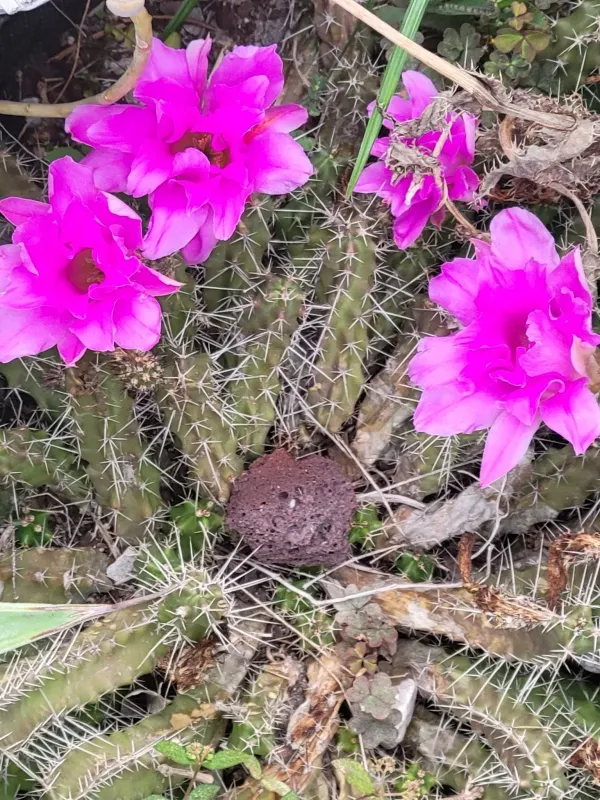
Description
Sowing dates
Echinocereus pentalophus belongs to the Cactaceae family and is commonly propagated in horticultural practice using lateral offshoots or stem cuttings.
Seeds should be sown in early spring, ideally between March and April, using a well-draining substrate composed primarily of sand and fine grit.
Maintaining a consistent temperature of 22 to 25 degrees Celsius is essential for successful germination and early development of the seedlings.
Seedlings need to be transplanted once they are large enough to handle, typically requiring careful management to avoid damage to delicate root systems.
Growing from seed requires patience as the species develops at a moderate pace, making vegetative propagation the preferred choice for many growers.
Growing requirements
Native to arid regions of Mexico and Texas, this species demands high light intensity to maintain its compact and healthy growth habit.
The substrate must be extremely porous with a neutral to slightly acidic pH, ensuring that water drains away from the roots immediately after watering.
During the active growing season, water should be applied only when the soil has dried out completely to prevent root rot.
A cool, dry winter dormant period is critical, with temperatures ideally kept between 5 and 10 degrees Celsius to trigger flowering in spring.
Placement in a location with excellent airflow is crucial, as stagnant air increases the risk of fungal infections in the succulent stems.
Main diseases and pests
The most common issues for this plant are root and stem rots, which are almost always linked to overwatering or lack of sufficient drainage.
Mealybugs are the most persistent insect pests, often hiding in the deep ridges of the plant where they are difficult to reach with sprays.
Spider mites can also cause significant aesthetic damage by feeding on the epidermis, creating patches of corky, discolored tissue.
Regular inspections and the use of targeted acaricides or systemic insecticides can prevent severe infestations from destroying the plant.
Proper hygiene, such as removing dead organic matter from the surface of the pot, is an essential preventative measure against potential pathogens.