
Echinocereus parkeri
Echinocereus parkeri
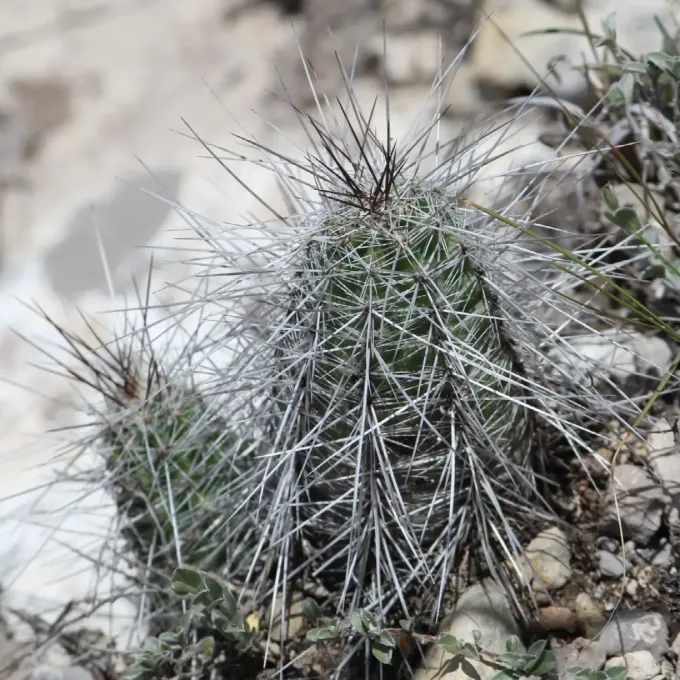
Description
Sowing dates
Sowing Echinocereus parkeri seeds is best performed in the spring when daylight hours increase significantly. March or April are considered optimal months, as they provide seedlings with enough light for initial development.
Before sowing, it is recommended to treat seeds with a mild fungicide solution to prevent fungal diseases that are highly dangerous for young cacti. The germination process requires a sterile, well-aerated substrate consisting of sand and peat.
Seeds should be sown on the surface and not buried deep, only slightly covered with fine sand. Containers are covered with film or glass to maintain high humidity, creating a miniature greenhouse effect.
A crucial condition for successful germination is a stable temperature range between +22 and +26 degrees Celsius. Once the first sprouts appear, the cover is gradually removed to acclimate the young plants to standard air humidity.
Seedling transplanting (pricking out) should occur once the plants reach the size of a small pea and have gained strength. This stage requires extreme care to avoid damaging the delicate root system, which is vital for further growth.
Growing requirements
Echinocereus parkeri belongs to the Cactaceae family and originates from the arid regions of Mexico. This plant is adapted to extreme day and night temperature fluctuations, which must be considered in cultivation.
For optimal development, the culture requires maximum brightness, ideally direct sunlight in the morning or evening hours. Lack of light causes the stem to stretch, leading to a loss of its natural shape and overall aesthetic appeal.
The soil must be stony with a high degree of drainage, as moisture stagnation at the roots is detrimental. An ideal mixture includes turf soil, leaf humus, coarse sand, and fine gravel in equal proportions.
Watering should be performed strictly only after the soil ball has dried completely, especially during hot summer months. In autumn, watering is gradually reduced, and in winter, the plant enters dormancy, requiring almost dry conditions at cooler temperatures.
This species is highly sensitive to excessive air humidity, so the growing area must be well-ventilated. Over-moistening the substrate combined with low temperatures quickly leads to root collar rot.
Main diseases and pests
The primary threat to the plant under cultivation is root rot, caused by improper watering regimes and lack of drainage. Infected specimens often require immediate repotting and removal of damaged tissues.
Among insect pests, mealybugs and spider mites pose the greatest threat to Echinocereus. Mealybugs often hide in the crevices between the cactus ribs, sucking sap and weakening the plant.
Spider mites attack the stem in excessively dry and stagnant air conditions, leaving characteristic whitish spots on the skin. To control these pests, specialized systemic acaricides and insecticides should be used.
Stem rots are also possible, which develop through mechanical damage to the epidermis. It is important to ensure that no micro-cracks form on the plant, as these serve as entry points for pathogenic bacteria.
For preventive purposes, it is recommended to treat the cactus collection with broad-spectrum fungicides twice a year. Regular inspection of the stem base and root area allows for early detection of potential problems.