
Echinocereus pamanesiorum
Echinocereus pamanesiorum
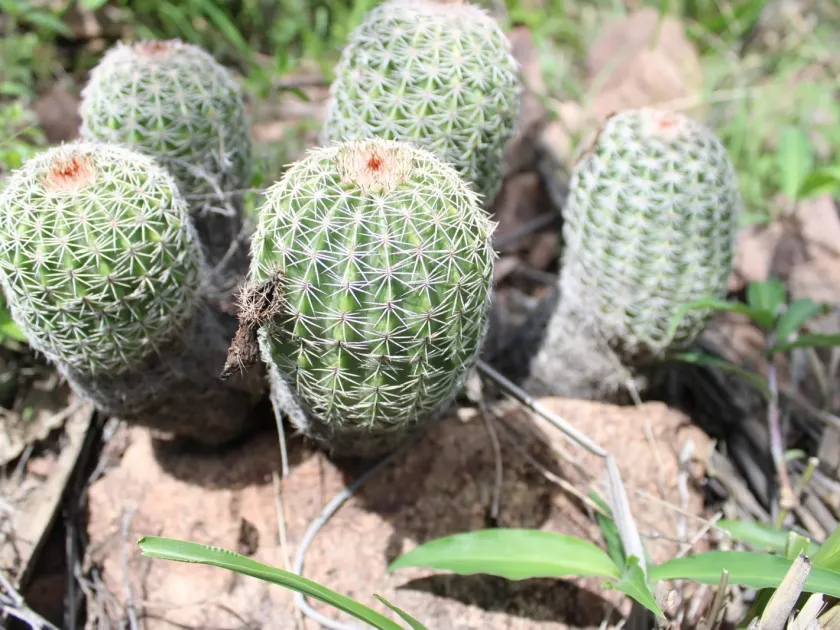
Description
Growing requirements
Echinocereus pamanesiorum is a distinctive member of the Cactaceae family, prized by enthusiasts for its unique structural integrity and remarkable spine arrangement. As a desert species, it has evolved to thrive in high-stress environments, making it a classic example of adaptation to arid climates.
The plant originates from the arid regions of Mexico, specifically parts of Zacatecas. In its natural habitat, it occupies rocky slopes, which dictates the specific requirements for successful cultivation in greenhouse or controlled indoor environments regarding soil composition and drainage.
Soil requirements for this cactus focus on an inorganic-heavy mix. A substrate consisting of coarse sand, perlite, and fine crushed stone is essential to mimic its native habitat. Proper drainage prevents root rot, which is the primary cause of plant loss among amateur growers.
Light requirements are intensive. Echinocereus pamanesiorum requires direct, unfiltered sunlight for several hours a day to maintain its natural shape and coloration. Providing sufficient light is also a prerequisite for triggering the natural flowering cycle inherent to this species.
Temperature management involves strict seasonal cycles. During the active growing season, warm temperatures are needed to support metabolic processes. Conversely, a distinct period of winter dormancy with temperatures dropping to 5-10 degrees Celsius is necessary to ensure healthy growth in the following season.
Main diseases and pests
Common pests affecting this culture include spider mites, which often hide in the dense spine clusters, making them difficult to detect early. Utilizing targeted systemic acaricides is the most effective approach to managing these populations without damaging the plant epidermis.
Pathogenic threats usually arise from moisture mismanagement. Soft rot caused by bacterial infections can spread rapidly if the substrate stays wet during cold periods. Ensuring strict adherence to watering protocols and maintaining excellent airflow are the most reliable methods of prevention.