
Echinocereus pacificus
Echinocereus pacificus
Description
Growing requirements
Echinocereus pacificus is a succulent species belonging to the Cactaceae family. This cactus is native to the arid landscapes of Baja California, Mexico, where it has evolved to thrive in high-temperature and low-precipitation environments.
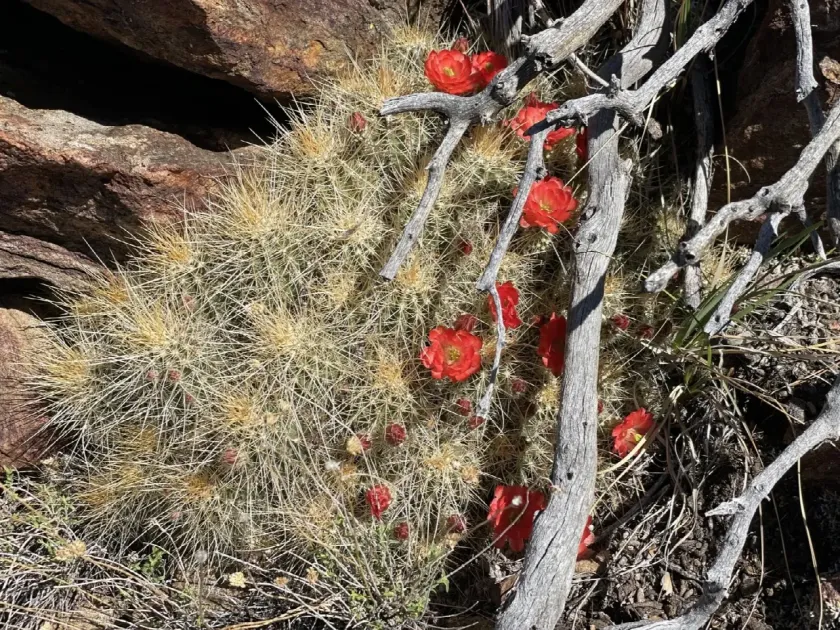
The plant grows in small, branching clumps consisting of cylindrical stems covered in dense, sharp spines. During the flowering season, it produces showy, bright magenta to pink blossoms that emerge from the upper parts of the stems, creating an ornamental display.
To cultivate this plant successfully, one must provide full sun exposure. In indoor conditions, it requires a south-facing window or supplementary artificial lighting to prevent the stems from becoming thin and elongated due to etiolation.
The substrate must be extremely well-draining, typically consisting of 50% inorganic material like pumice or perlite mixed with a standard cactus soil. Poor drainage is the leading cause of mortality for this species, as the roots are highly susceptible to rot.
Watering should be rhythmic and seasonal. During the summer, water only when the potting mix is entirely dry. In winter, keep the plant completely dry and in a cool environment (5-10°C) to simulate natural dormancy, which is essential for future flowering.
Main diseases and pests
Fungal infections caused by excessive humidity are the primary threat to the health of Echinocereus pacificus. Stem rot can occur quickly if water sits in the root zone or is trapped between the stems, leading to irreversible cellular collapse.
Common pests include mealybugs, which often hide deep within the spine clusters. These pests are difficult to remove manually and require the use of systemic insecticides or targeted rubbing alcohol applications to clear an infestation.
Spider mites are another common issue, especially in dry and poorly ventilated areas. They manifest as tiny webs or fine spotting on the skin of the cactus, which can permanently scar the plant's surface if not treated promptly.
Prevention is centered on maintaining high airflow and strictly adhering to the dry-dormancy period during winter months. Proper ventilation helps inhibit the spores of fungi and creates an unfavorable environment for most sucking pests.
Regular inspections of the plant's base and the junction between stems are necessary. Early detection of soft spots or unusual discoloration allows for immediate intervention, such as removing the affected area and replanting the healthy parts.