
Echinocereus nivosus
Echinocereus nivosus
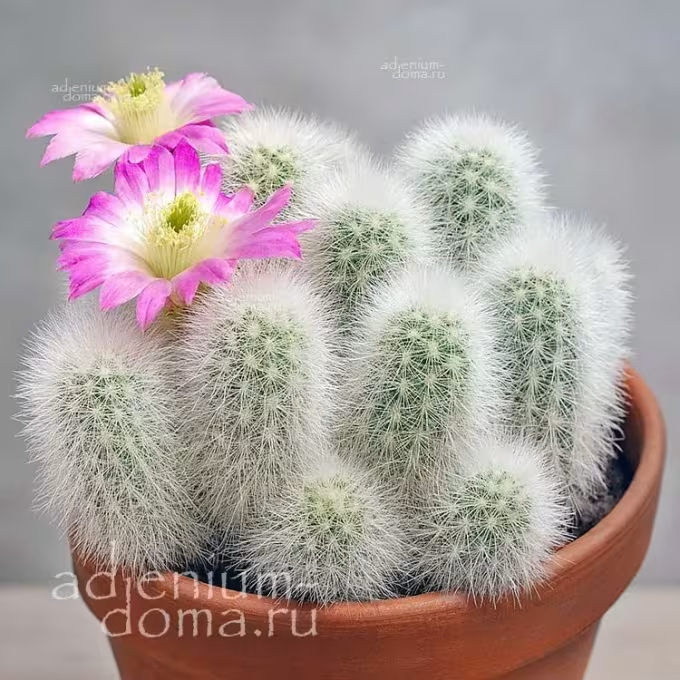
Description
Sowing dates
Sowing seeds of Echinocereus nivosus should ideally take place in early spring. Optimal germination requires a temperature range of 22–25 degrees Celsius and a constant, humid environment.
A fine, well-draining mineral-based substrate is necessary for sowing. It is recommended to sterilize the soil beforehand to avoid fungal outbreaks, which are common among young cactus seedlings.
Seeds are placed on the surface and pressed slightly into the soil. They are light-dependent, so they should not be buried under a thick layer of growing medium.
Covering the seed tray with glass or clear plastic ensures a stable microclimate. Once the seedlings emerge, ventilation must be gradually introduced to prevent damping off.
Patience is required, as the growth rate of this species is relatively slow. Seedlings should be kept in protected conditions for at least the first year of life.
Growing requirements
Echinocereus nivosus belongs to the Cactaceae family and is native to high-altitude rocky terrains in Mexico. It is specifically adapted to environments with high light intensity and low nutrient soil.
Cultivation requirements include a very gritty, inorganic soil mix. A mixture of pumice, coarse sand, and a small amount of leached soil provides the necessary drainage for healthy root development.
Sunlight is the most critical factor for the appearance of this cactus. Intense sunlight promotes the dense, snowy white spine development for which the plant is named.
Watering should be careful and seasonal. During the growing period, plants should be watered only when the substrate is completely dry. In winter, they must be kept absolutely dry and cool.
Air circulation is vital to prevent moisture accumulation around the body of the cactus. High-quality greenhouse conditions with active airflow will lead to the best results.
Main diseases and pests
The primary threat to Echinocereus nivosus is root rot caused by poor soil drainage. If the cactus remains in wet soil, internal tissue decay progresses very rapidly.
Mealybugs are a significant pest for this species. Because they can hide within the dense spine structure, frequent visual inspections with a magnifying glass are recommended.
Spider mites can also cause significant damage by feeding on the surface, which causes the epidermis to lose its color and develop brown scaly patches over time.
During the dormant winter season, any humidity can lead to fungal attacks on the stem. Keeping the plant in a dry, cool, and well-ventilated space is essential for winter survival.
- Preventative use of systemic insecticides.
- Regular soil moisture monitoring.
- Isolation of new plants to prevent pest spread.