
Echinocereus maritimus
Echinocereus maritimus
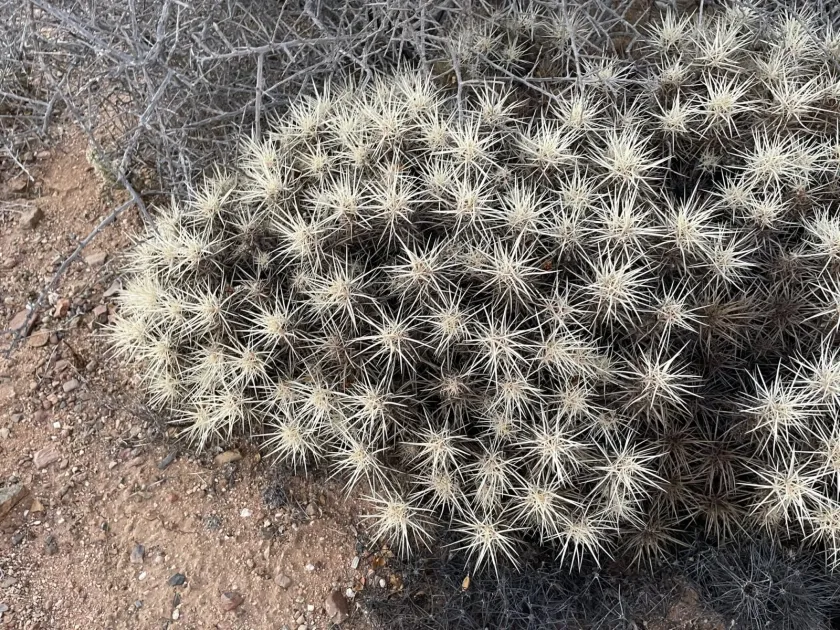
Description
Sowing dates
Propagation of Echinocereus maritimus is typically achieved through seed germination or by rooting side offsets. Seeds should be sown in spring using a well-draining, mineral-based substrate to mimic the natural rocky habitat of the plant.
The seeds are scattered on the surface of the soil and kept in a high-humidity environment under glass or plastic cover until germination. Stable temperatures between 22 and 25 degrees Celsius are critical for successful seedling emergence.
Offsets can be removed from the mother plant during the active growing season using a clean, sharp blade. It is essential to let the cutting heal for several days until a callous forms before placing it into the rooting medium.
Once the offsets are planted, they should be placed in a bright area without direct sunlight until roots are established. Watering must be very cautious to avoid fungal infections in the developing root systems.
Seedlings require frequent monitoring during the first year of growth. Gradual acclimation to stronger light and less frequent watering is necessary as the plants mature into their adult succulent form.
Growing requirements
Echinocereus maritimus belongs to the Cactaceae family and is native to the coastal regions of Baja California. It is highly adapted to sandy and rocky slopes, requiring minimal organic matter and excellent drainage.
Full sun is mandatory for this species to thrive and maintain its characteristic dense spination. Without intense light, the plant will etiolate, losing its compact shape and becoming highly susceptible to physiological stress.
The ideal soil mix consists of coarse sand, gravel, and perlite, with a small portion of sandy loam. A porous structure is vital because the roots are extremely sensitive to stagnant water, which rapidly causes root rot.
During the growing season, water the plant only after the potting mix has dried out completely. Winter dormancy is necessary, during which the plant should be kept dry and cool to stimulate flower bud formation.
Good ventilation is important to replicate the coastal breezes of its native habitat. Proper air circulation helps prevent the accumulation of moisture on the skin of the plant, reducing the risk of opportunistic pathogens.
Main diseases and pests
The most common threat to Echinocereus maritimus is root rot caused by poor soil drainage or excessive watering. The plant's inability to survive in waterlogged soil makes the use of inorganic substrates a non-negotiable requirement.
Mealybugs are the primary pest concern, often hiding in the crevices between the tubercles and spines. Early detection is key, and manual removal or insecticidal treatments should be applied at the first sign of infestation.
Spider mites can become an issue if the ambient air remains too dry for extended periods. Increasing air circulation or using appropriate acaricides will effectively control their populations and preserve the skin of the cactus.
Fungal infections can occur if the cactus is exposed to cold and damp conditions simultaneously. It is crucial to ensure that temperatures do not drop too low while the soil has any residual moisture.
Root-knot nematodes can also affect the plant, causing stunted growth and poor health. If such pests are suspected, the root system should be examined and treated, or the plant may need to be propagated from healthy cuttings.