
Echinocereus mapimiensis
Echinocereus mapimiensis
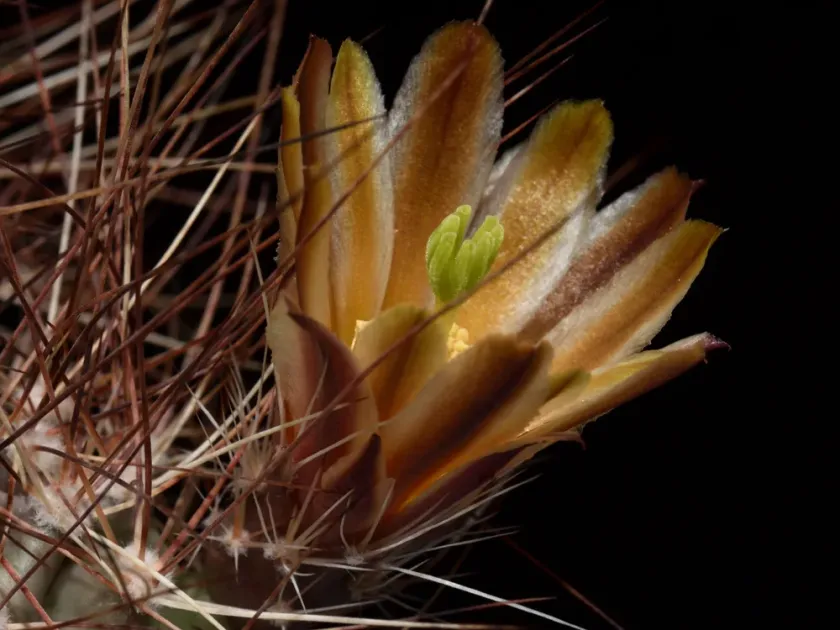
Description
Sowing dates
Echinocereus mapimiensis belongs to the Cactaceae family and is a specialized plant often found in collections of enthusiasts. Sowing should ideally occur in the spring, providing constant temperatures between 20°C and 25°C to ensure optimal germination rates.
A porous and highly mineral-based substrate is essential for seed germination. A mix containing coarse sand, perlite, and a small amount of peat moss creates the perfect balance for the fragile roots of the seedlings.
Seeds should be sown on the surface of the moist soil and covered with a fine layer of sand. Keeping the environment humid is critical during the first phase of growth, requiring the use of a plastic cover to maintain high moisture levels.
Once seedlings emerge, the cover must be removed gradually to acclimate the young cacti to ambient air, preventing damping-off diseases caused by fungal pathogens in stagnant air.
Transplanting the seedlings to individual pots is recommended once they develop their first set of true spines. This process promotes individual growth and ensures better airflow around each plant.
Growing requirements
This species is native to the arid regions of Durango, Mexico. It thrives in environments with high light intensity, which is vital for the development of strong, dense spines and the maintenance of a compact growth form.
The soil must have excellent drainage properties. In cultivation, a mix of grit, pumice, and loam is preferred to mimic the natural rocky habitats where this cactus typically grows.
During the growing season, watering should be sparse and only performed when the soil has completely dried out. The "soak and dry" method is the standard for maintaining the health of Echinocereus mapimiensis.
A cooling period during the winter months is essential for the natural cycle of the cactus. Keeping the plant in a dry, cool environment (5°C to 10°C) promotes dormancy and stimulates future floral development.
Fertilization should be kept to a minimum, using low-nitrogen liquid fertilizers during the peak growing season to avoid rapid, unnatural growth that makes the cactus prone to disease.
Main diseases and pests
Root rot is the most significant threat to Echinocereus mapimiensis. It is almost always a result of overwatering or inadequate soil aeration, leading to the decay of the root system and eventual plant collapse.
Mealybugs are common pests that infest the areoles of the cactus. These sap-sucking insects can easily remain hidden, weakening the plant and creating entry points for secondary fungal or bacterial infections.
Spider mites can also cause significant damage by feeding on the skin of the cactus, resulting in unsightly corky spots and loss of vigor. They tend to proliferate in hot, dry conditions.
Prevention involves regular inspections and the use of targeted acaricides or insecticides. Maintaining good air circulation is the most effective cultural method to discourage pest infestations.
- Regular checking of the plant's surface and areoles.
- Using mineral-based, sterilized potting soil.
- Ensuring the pot has adequate drainage holes.
- Isolating new specimens before introducing them to the collection.
- Using clean, disinfected tools for any pruning or transplanting.