
Echinocereus longisetus
Echinocereus longisetus
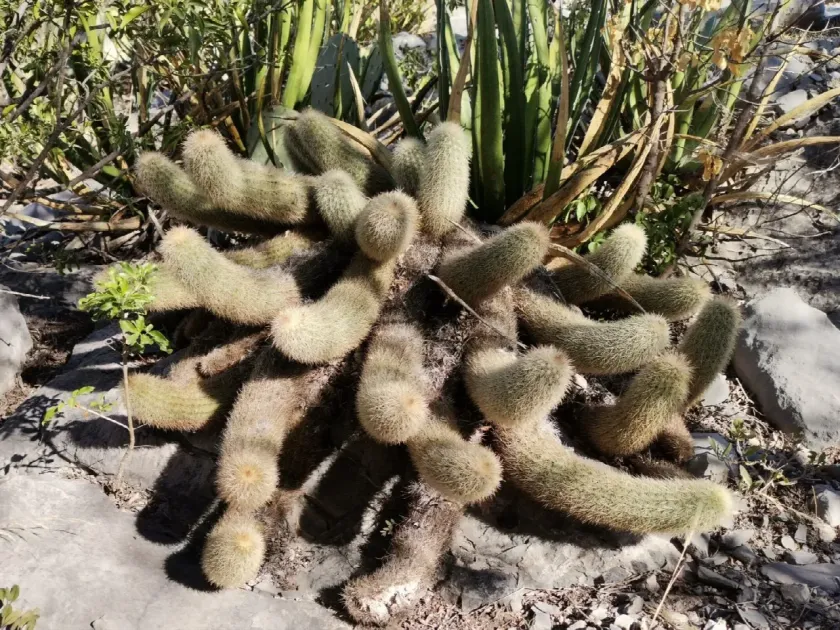
Description
Sowing dates
Echinocereus longisetus is primarily propagated from seeds during the early spring months. This timing aligns with the natural increase in day length, which provides the necessary energy for successful seedling development after germination.
Seeds should be sown in a sterile, well-draining substrate composed mostly of fine grit and sand. Maintaining a consistent temperature between 20 and 25 degrees Celsius is crucial to ensure a uniform germination rate among the seeds.
Once seedlings emerge, they require careful monitoring of humidity levels. While young cacti need more moisture than adults, preventing waterlogged conditions is essential to avoid the damping-off of delicate root systems.
Gradual acclimatization to brighter light and lower humidity is recommended as the young plants grow. After a few months, the seedlings will develop their first characteristic spines, indicating that they are ready for individual potting.
Vegetative propagation is also possible using offshoots. The process involves cleanly removing the offset, allowing the wound to callus over in a dry area for several days, and then placing it in a dry, gritty mix to promote new root growth.
Growing requirements
Native to the limestone regions of Mexico, this cactus thrives in environments that mimic its harsh, high-drainage natural habitat. It belongs to the Cactaceae family, known for its resilience and unique succulent morphology.
High light intensity is the most important requirement for successful cultivation. Without sufficient direct sunlight, Echinocereus longisetus will lose its compact form and fail to produce its characteristic long, dense, and ornamental spines.
The potting medium must be inorganic and extremely porous to prevent root rot. A standard mix should include pumice, perlite, or volcanic rock mixed with a small portion of sandy loam, ensuring that water drains away almost immediately.
During the growing season, watering should be deep but infrequent, allowing the soil to dry out completely between applications. In the winter, the plant requires a strict dry dormant period, preferably in a cool environment around 5-10 degrees Celsius.
Fresh air circulation is vital for the plant's health, particularly when kept in indoor collections. Proper ventilation helps regulate temperature and prevents the buildup of humidity, which can otherwise lead to fungal infections.
Main diseases and pests
Root rot caused by overwatering is the most frequent cause of failure in Echinocereus longisetus cultivation. Cold and damp conditions during the winter are particularly dangerous and often fatal to the cactus roots.
Mealybugs are the most common insect pests that attack this species. They hide deep within the dense spine clusters, making them difficult to detect. Regular inspections of the plant's growth points are necessary for early detection.
Spider mites can also be a significant issue in dry, poorly ventilated conditions. These pests cause discoloration and permanent scarring on the skin of the cactus, which detracts from the plant's overall aesthetic value.
Preventative care involves using specialized pesticides and acaricides only when necessary and during the early stages of an infestation. Keeping the collection clean and removing dead organic matter is a simple yet effective protective measure.
Overall, maintaining the plant's vitality through correct seasonal watering and intense light exposure serves as the best defense against pests and diseases. Healthy plants are naturally more resistant to common horticultural threats.