
Echinocereus laui
Echinocereus laui
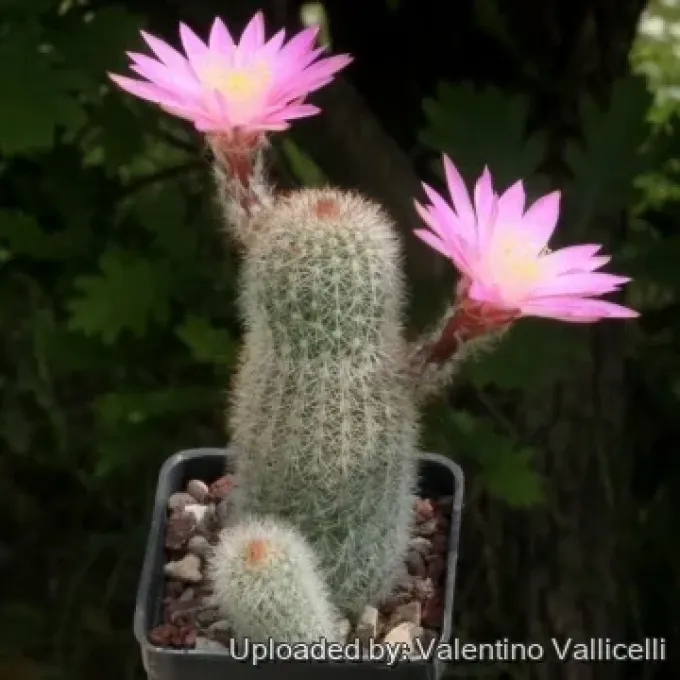
Description
Sowing dates
Propagation of Echinocereus laui is primarily achieved through seeds. Sowing should take place in early spring when temperatures remain consistent between 20–25 degrees Celsius.
A sterile, sandy, and well-draining substrate is required for successful germination. Seeds should be sown on the surface and pressed gently into the medium without burial.
Maintaining high humidity under a glass cover or plastic dome is essential during the initial germination phase. Consistent airflow must be provided periodically to prevent fungal growth.
Once seedlings emerge, the humidity should be gradually reduced to harden the young plants. Direct sunlight is too intense for seedlings and must be avoided during the first few months.
Repotting into individual containers is recommended only after the seedlings have developed sufficient mass and a strong enough root system to survive the shock of moving.
Growing requirements
The Echinocereus laui belongs to the Cactaceae family and originates from the arid mountain slopes of Mexico. It is highly valued for its compact growth habit and vibrant flowers.
This species requires intense sunlight to maintain its natural appearance and to trigger the flowering cycle. Inadequate light results in etiolation, making the stems weak and thin.
The soil must be inorganic and gritty, consisting of a mix of coarse sand, perlite, and small gravel. Proper drainage is the most critical factor in preventing physiological disorders.
Watering must be strictly regulated: soak the substrate thoroughly during the active growing season, but wait until the soil is completely dry before applying water again.
A cool dormancy period during winter is vital. Temperatures should ideally range between 5–12 degrees Celsius with little to no irrigation to simulate its natural high-altitude environment.
Main diseases and pests
The primary threats to Echinocereus laui include root rot and stem rot, often caused by overwatering or poor drainage systems. Moisture trapped around the base is a common killer.
Pests such as mealybugs and spider mites are frequent nuisances. They hide in the woolly areoles or between the ribs of the cactus, sapping the plant's vitality and creating entry points for disease.
- Ensure maximum ventilation in the greenhouse or growing area to reduce humidity.
- Inspect the plant regularly for white, cotton-like masses indicating mealybug infestations.
- Use systemic insecticides or neem oil treatments if pest outbreaks are detected.
- Provide enough space between plants to allow for airflow and ease of inspection.
- Prioritize sterile potting media to prevent soil-borne pathogens from reaching the roots.
If rot is detected early, the diseased tissue must be carefully excised with a sterile blade. The wound should be treated with a fungicide or sulfur powder and allowed to callus.
Good cultural practices, such as avoiding water contact with the stem during the cooler months, are the best defense against the systemic breakdown of the plant's health.