
Echinocereus knippelianus
Echinocereus knippelianus
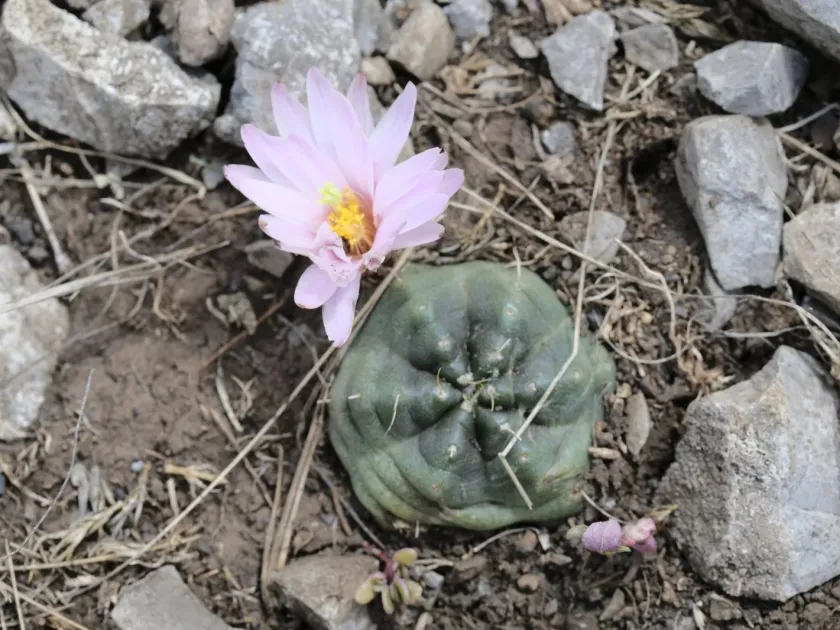
Description
Sowing dates
Propagation of Echinocereus knippelianus is primarily performed through seeds, which should be sown in the spring months when temperatures consistently reach 22-25 degrees Celsius. This ensures the best germination rate and subsequent survival of the young seedlings.
The sowing medium should be highly inorganic, consisting of fine sand and crushed pumice to ensure excellent aeration and drainage. Seeds are placed on top of the moist substrate and kept in a high-humidity environment until they begin to sprout.
Once germination occurs, it is vital to gradually introduce fresh air by removing the cover to prevent damping-off diseases. Sunlight exposure should be moderate for young plants, avoiding harsh direct rays which could burn the sensitive epidermis of the seedlings.
Seedlings remain in their initial containers until they are robust enough to be pricked out. This process usually happens after the first season of growth, when the young cacti have established a decent root system that can handle the transfer.
Maintaining a clean environment throughout the sowing process is crucial, as young cacti are extremely susceptible to fungal infections. Sterilizing the soil mix prior to sowing is a recommended standard practice for all cactus species.
Growing requirements
Echinocereus knippelianus belongs to the Cactaceae family and is native to the northern regions of Mexico. In cultivation, it thrives in a well-ventilated, sunny spot that provides maximum exposure to natural light throughout the active growing season.
The soil profile must be predominantly mineral-based, as this species is prone to root rot if grown in heavy or moisture-retaining organic matter. A mixture of gravel, perlite, and coarse sand is ideal for simulating the natural habitat of these succulents.
Watering requires careful management, following a cycle that allows the substrate to dry out completely between sessions. During the winter dormancy period, watering should be stopped almost entirely to prevent root chilling and subsequent decay.
Temperature control is essential; while the plant enjoys warmth during the summer, it requires a cool winter rest period between 8 and 12 degrees Celsius. This cold stimulus is often necessary to trigger the production of flowers in the spring.
Fertilization should be limited to the growing season using specifically formulated cactus nutrients. Excessive nitrogen must be avoided, as it leads to rapid, soft growth that is more attractive to pests and less resistant to environmental stress.
Main diseases and pests
The most common threat to this species is root rot caused by stagnant moisture. Signs of distress include the softening of the stem and a discolored, mushy appearance at the base of the plant, which often signals advanced stages of decay.
Mealybugs are frequent pests that settle in the crevices between the tubercles or at the base of the cactus. Their presence is marked by white, cotton-like masses, which should be addressed immediately with systemic insecticides or manual removal.
Spider mites can become an issue in environments with low humidity and poor air circulation. They feed on the epidermis, leaving behind pale, scarred tissue that ruins the plant's aesthetic appeal and weakens its overall structure.
Root aphids pose a hidden danger, as they often go unnoticed until the plant shows signs of stunted growth or dehydration. Periodic checking of the root ball during repotting is essential to ensure the health of the collection.
- Keep plants in well-ventilated areas to prevent fungal outbreaks.
- Perform annual inspections for any signs of pest activity.
- Use clean, sterilized tools when performing maintenance or repotting.