
Echinocereus ferreirianus
Echinocereus ferreirianus
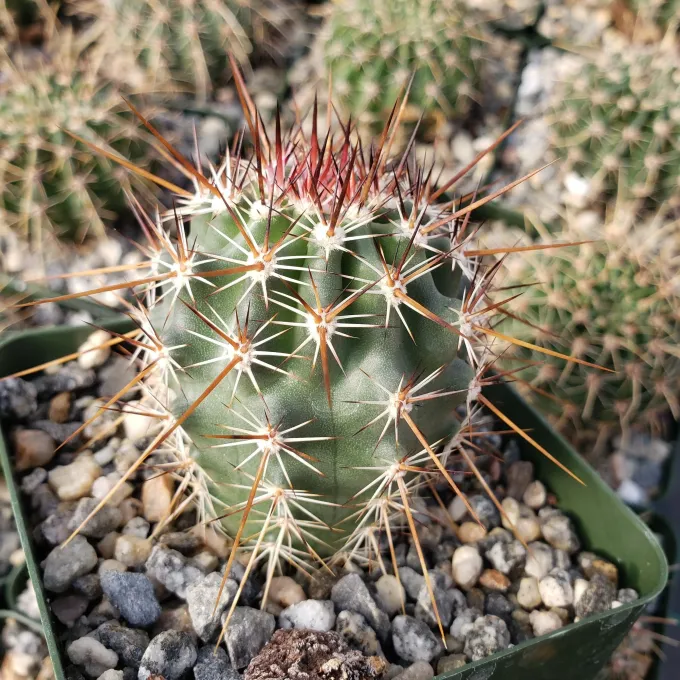
Description
Sowing dates
Propagation of Echinocereus ferreirianus is typically achieved through seeds sown during the spring months. Increasing day length and warming temperatures provide the natural signal for germination.
The growing medium must be highly porous and sterile to protect the sensitive seedlings from fungal pathogens. A mixture of fine sand and perlite is generally considered ideal for the initial sowing phase.
Seeds are lightly covered with a thin layer of sand and kept in a high-humidity environment. Covering the seed tray with glass or clear plastic ensures the stability of the microclimate required for successful development.
Maintaining a temperature range of 20 to 25 degrees Celsius is crucial. Consistent warmth encourages uniform germination and prevents the young seedlings from entering a state of dormancy too early.
Gradual acclimatization is necessary once the seedlings have emerged. Removing the cover progressively over several weeks helps the young cacti adapt to the drier air of their permanent environment.
Growing requirements
Echinocereus ferreirianus is a member of the Cactaceae family, natively found in the arid landscapes of Baja California, Mexico. Its morphology is perfectly adapted to survive in rocky and nutrient-poor substrates.
Full sun exposure is a mandatory requirement for this species. Without adequate light, the plant will lose its compact, columnar shape and become susceptible to physical damage and disease.
The soil should be a fast-draining mineral mix. Incorporating coarse gravel, pumice, and grit into the potting soil is essential to ensure that water does not remain trapped around the roots for extended periods.
Watering practices must follow a strict seasonal cycle. During the growing season, water thoroughly but allow the substrate to dry out completely before the next application to replicate arid conditions.
Good ventilation is vital for the health of the plant. A steady flow of fresh air helps prevent the buildup of stagnant heat and moisture around the stem, which is the primary cause of rot.
Main diseases and pests
Root rot is the most significant threat to the survival of Echinocereus ferreirianus. It usually occurs due to excessive watering, especially when temperatures are low and the plant is in its rest phase.
Mealybugs are common pests that tend to cluster in the deep furrows of the cactus ribs. Their presence can be identified by the white, cotton-like masses they produce while feeding on the plant's sap.
Spider mites can be problematic if the humidity levels drop significantly for a prolonged period. These pests damage the skin of the cactus, resulting in permanent brown scarring on the plant's surface.
Root aphids pose a hidden danger to the plant's vitality. If the cactus stops growing without an obvious reason, it is advisable to inspect the root system for signs of infestation and implement corrective measures.
Integrated pest management, including regular inspection and the use of targeted treatments, is the most effective way to ensure the long-term health and growth of this specific species.