
Hedgehog cactus
Echinocereus fasciculatus
Description
Growing requirements
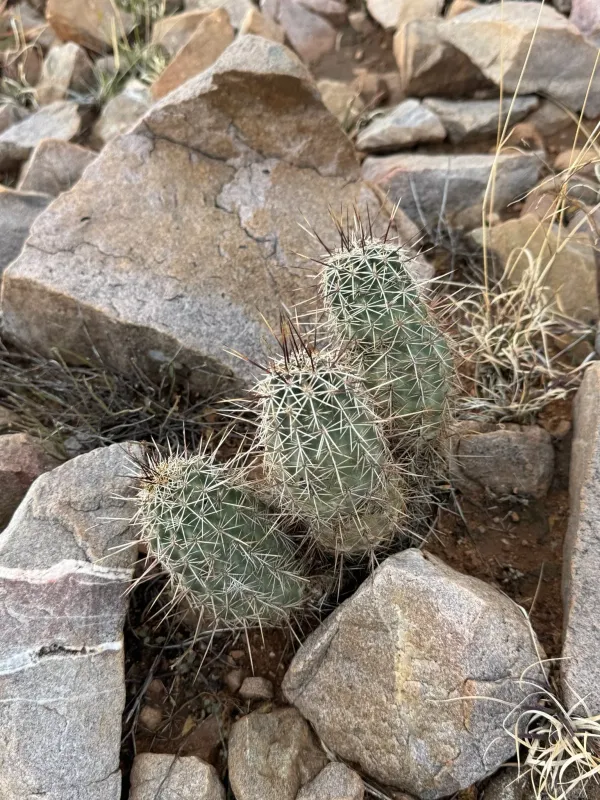
Echinocereus fasciculatus, commonly known as the hedgehog cactus, is a member of the Cactaceae family native to the arid environments of the Southwestern United States and Northern Mexico. It is characterized by its cylindrical stems that typically cluster together, forming dense, low-growing mounds in its natural habitat.
The agricultural requirements for this species focus heavily on soil composition and water management. It thrives in porous, well-draining mineral mixes that mimic the rocky soils of its native desert, ensuring that roots are never left in stagnant moisture which is a primary cause of mortality.
Optimal growth is achieved under high-intensity light conditions, which are necessary to maintain the plant's structural integrity and vibrant spine coloration. If lighting is insufficient, the plant will become etiolated, losing its characteristic compact habit and becoming significantly more vulnerable to disease.
During the active growing season, watering should be performed cautiously, allowing the soil to dry out completely between sessions. A dormant period during the winter months is essential; during this phase, water must be strictly withheld to encourage the plant to rest and prepare for the spring blooming cycle.
The economic and cultural utility of this species is largely ornamental. It is highly sought after by succulent collectors and botanic gardens for its remarkable, large, trumpet-shaped flowers, which provide significant aesthetic value when maintained under professional greenhouse conditions.
Main diseases and pests
Common pests affecting this species include root mealybugs, which are notoriously difficult to detect until the plant's health significantly declines, and spider mites that colonize the epidermis during periods of low humidity.
Fungal pathogens such as Fusarium wilt and various stem rots are the most frequent threats, usually triggered by improper cultural practices, specifically poor ventilation or waterlogged soil conditions.
Effective management strategies include the regular sterilization of potting media and the strict implementation of quarantine protocols for any new plants introduced to the collection to prevent the spread of pests.
Chemical control should be employed only when necessary, using systemic insecticides for pests or copper-based fungicides for fungal issues, while ensuring the application method does not damage the sensitive cuticle of the cactus.
Maintenance of optimal environmental parameters, such as adequate airflow and controlled temperature fluctuations, serves as the primary line of defense against the majority of infectious agents known to impact this cactus species.