
Echinocereus enneacanthus
Echinocereus enneacanthus
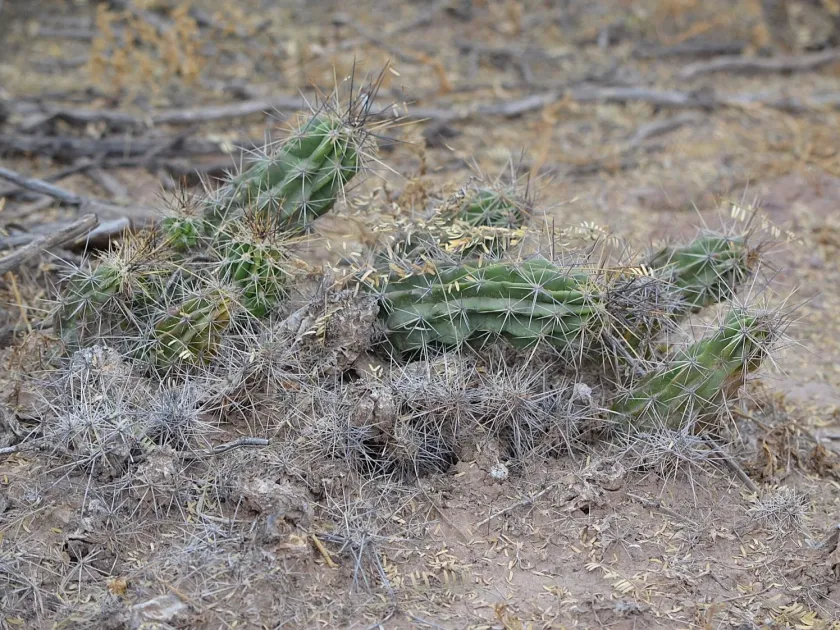
Description
Sowing dates
Propagating Echinocereus enneacanthus is typically done through offsets or cuttings, which cluster around the base of the main plant. Carefully detach an offset during the growing season and allow it to callous for several days in a shaded area.
Once calloused, place the offset on a gritty, well-draining cactus mix. Avoid burying the base too deeply, as this can encourage rot. Mist the surface lightly once roots begin to develop, usually within a few weeks.
Seed sowing is a longer process requiring high humidity and stable temperatures around 25°C. Sow seeds on the surface of a fine mineral substrate and cover with a thin layer of sand to maintain moisture.
Seedlings need protection from intense midday sun during their first growing season. Gradually increase their light exposure as they develop their characteristic spines, which are essential for the plant's protection.
The choice of potting medium is vital for young plants; it must provide excellent drainage while retaining just enough moisture to support early growth stages without waterlogging the roots.
Growing requirements
As a species native to the arid regions of Northern Mexico and Southern Texas, this cactus requires intense sunlight. A south-facing window or a greenhouse setting with high irradiance is ideal for promoting growth and flowering.
The soil should be a highly porous, inorganic-based mix. A recommended blend includes pumice, coarse sand, and a small portion of potting soil, ensuring that water drains away from the roots almost immediately.
During the summer months, water only when the substrate has dried out completely. Always observe the plant for signs of thirst, such as slight shrinkage, but avoid excessive watering which causes stem rupture.
A cool, dry dormancy period during winter is essential to stimulate bloom production in the following spring. Keep the temperature around 5°C to 10°C and cease all watering until early spring.
Fertilization should be done sparingly, using a low-nitrogen, high-potassium formula designed for cacti. Applying fertilizer once or twice during the peak growing season is usually sufficient for this slow-growing plant.
Main diseases and pests
Root rot is the most significant threat to Echinocereus enneacanthus, often caused by heavy soil or watering during cold periods. Early signs include the softening and yellowing of the stem base.
Spider mites are common indoor pests that thrive in dry, stagnant air. They leave tiny webbing and discolored patches on the stems; regular misting or increased airflow can help prevent their spread.
Mealybugs are another common nuisance that hides in the dense spine clusters. Manual removal using a soft brush dipped in isopropyl alcohol is an effective way to manage minor infestations without chemicals.
Fungal pathogens can occasionally cause surface spotting if the cactus remains damp for extended periods. Improving ventilation and maintaining a strict dry cycle is the best preventative strategy.
Regular inspections, particularly during the transition between the dormant and active seasons, are crucial to identifying pests and diseases before they compromise the structural integrity of the plant.