
Engelmann's hedgehog cactus
Echinocereus engelmannii
Description
Growing requirements
Engelmann's hedgehog cactus (Echinocereus engelmannii) is a member of the Cactaceae family. Native to the southwestern United States and northwestern Mexico, this species is well-adapted to the harsh conditions of desert and scrubland environments.
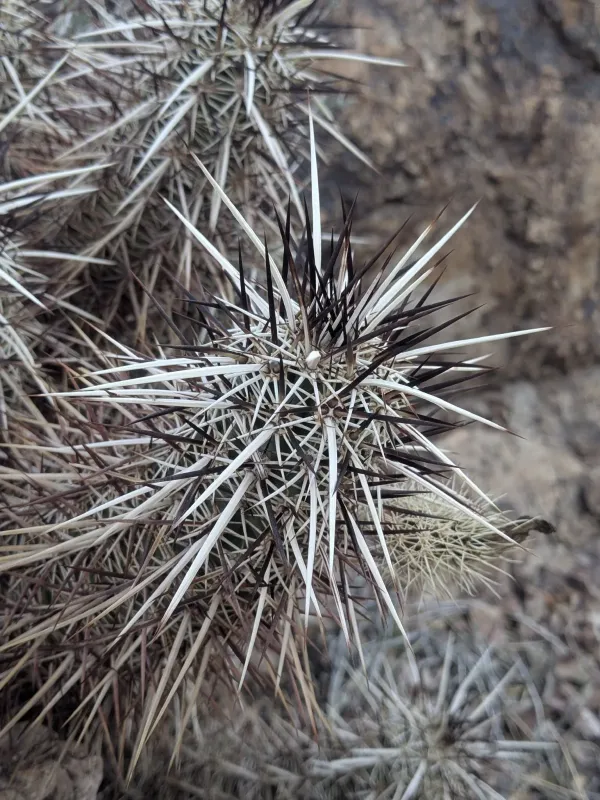
The plant grows in clusters of cylindrical stems covered with dense, sharp spines. These spines serve a vital botanical function by shielding the photosynthetic tissue from intense ultraviolet radiation and reducing water loss through transpiration.
This species requires full, direct sun exposure to thrive and maintain its natural growth habit. In indoor cultivation, placing the cactus in a south-facing window is essential to prevent etiolation and ensure the development of strong, healthy stems.
Cultivation requires a highly porous and well-draining substrate. A typical mix includes coarse sand, perlite, and a small amount of inorganic potting medium, ensuring that water drains away from the roots instantly to prevent rot.
Temperature management is critical for the success of this crop. During the active growing season, it prefers warm days and cool nights, while a distinct cold, dry period during winter is necessary to initiate flowering in the spring.
Main diseases and pests
Common pests include mealybugs and spider mites, which can easily hide within the dense spines. Regular monitoring of the plant's surface is necessary to catch infestations at an early stage before they damage the epidermis.
The most significant threat to Echinocereus engelmannii is root rot caused by overwatering. If the substrate remains damp for too long, the delicate root system begins to decay, often leading to the eventual collapse of the entire cactus column.
Fungal infections can also occur due to poor air circulation or high humidity levels. Maintaining low humidity and ensuring that the plant is kept in a well-ventilated area significantly reduces the risk of fungal proliferation.
Treatment for pest infestations typically involves the use of systemic insecticides, while fungal issues require localized removal of infected tissue and the application of fungicides to prevent further spread.
Providing optimal environmental conditions acts as the best defense against pests and diseases. A cactus that receives enough light and is watered only when the soil is completely dry will naturally resist most common pathogens.