
Eared Willow
Salix aurita L.
Description
Growing requirements
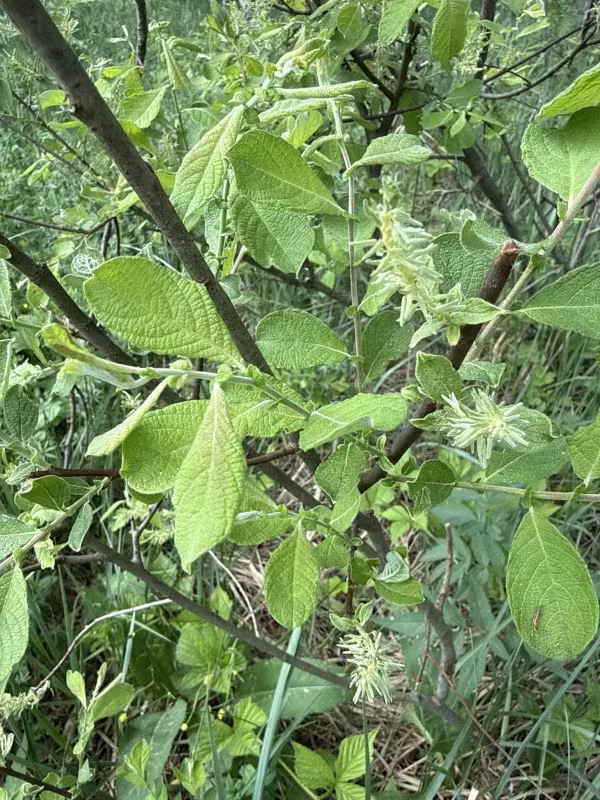
The Eared Willow (Salix aurita) is a species of the Salicaceae family, recognized by its distinct ear-like stipules at the base of the leaves. This deciduous shrub typically reaches heights of 1 to 2 meters, forming dense thickets.
Native to Europe, this willow thrives in diverse habitats including marshes, peat bogs, damp woodlands, and wet meadows. It is highly adapted to acidic soils and areas with high water tables where competition from larger trees is minimized.
Water availability is the primary requirement for successful cultivation. While it can survive temporary inundation, the species performs best in moist, well-aerated organic soils, making it an excellent choice for wetland reclamation.
The Eared Willow is a sun-loving plant but exhibits good shade tolerance in early development stages. It requires minimal intervention once established, provided the soil remains sufficiently damp throughout the growing season.
Due to its high cold tolerance, this species is ideal for northern climates. Its root system is exceptionally efficient at stabilizing soil on sloped terrain and preventing erosion along watercourses.
Yield
In short-rotation forestry, the Eared Willow is cultivated for biomass production. The harvested wood is utilized as a sustainable biofuel, offering a rapid turnaround for energy crops.
The slender twigs are occasionally used in basketry and the production of rustic crafts. Its natural branching habit makes it highly suitable for creating windbreaks and living fences around agricultural plots.
As an early-flowering plant, it serves as a critical food source for pollinators in early spring. Honeybees rely on its pollen and nectar to rebuild colony strength after the winter period.
The species demonstrates potential in phytoremediation, as it can accumulate nitrogen and phosphorus from agricultural runoff. This makes it a valuable tool for buffering water bodies against nutrient overload.
Productivity is sustained over many years through periodic coppicing. This traditional harvest method stimulates new growth and maintains the shrub in a vigorous state for continuous biomass extraction.
Main diseases and pests
Leaf-feeding beetles, such as the willow leaf beetle, are the most frequent pests. These insects can cause significant defoliation, which reduces the plant's ability to store energy for the subsequent season.
Fungal diseases like willow rust are prevalent in damp environments with poor air circulation. These infections manifest as orange or yellow spots on the foliage and can lead to premature leaf drop.
Bark cankers and black rot are significant threats if the plant sustains physical injury. Proper pruning techniques are essential to prevent the entry of pathogens into the shrub's vascular system.
Aphid infestations are common during the spring flush. While these pests are rarely lethal, they can facilitate the growth of sooty mold, which impairs the aesthetic and photosynthetic quality of the plant.
Effective management includes regular inspection and the removal of infected plant debris. Integrated pest management strategies are recommended to maintain plant health without disrupting the local ecosystem.