
Dwarf willow
Salix herbacea L.
Description
Growing requirements
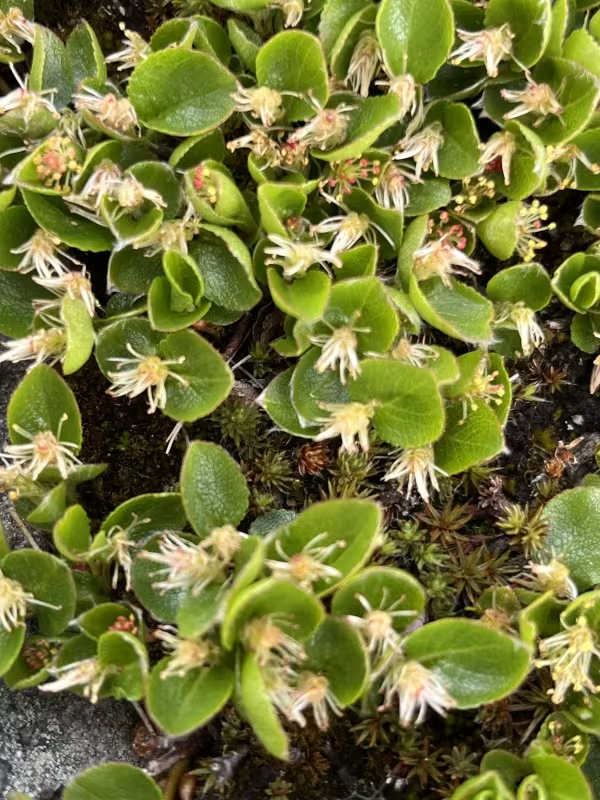
Dwarf willow (Salix herbacea) is a fascinating member of the Salicaceae family, recognized as one of the smallest woody plants on Earth. It grows as a prostrate shrub, typically hugging the ground and rarely exceeding a height of few centimeters.
Originating from the Arctic and alpine regions of the Northern Hemisphere, this species is highly adapted to extreme cold and brief growing seasons. It typically thrives in tundra landscapes, mountain ridges, and rocky slopes where conditions are harsh.
Cultivation requires well-drained, acidic, or neutral rocky soils that retain moisture without becoming waterlogged. The species is highly sensitive to heat stress, making it unsuitable for hot, dry climates without specialized cooling techniques in a garden setting.
Botanically, the plant spreads via underground stems or creeping branches, forming a dense mat. The leaves are small, rounded, and glossy, turning yellow in the autumn before falling, which exposes the woody structure during the dormant winter period.
In landscaping, it is highly valued for alpine gardens, rockeries, and trough gardens. Its slow growth rate and ability to create a natural, moss-like appearance make it a top choice for simulating high-altitude environments in artificial habitats.
Main diseases and pests
The primary threats to dwarf willow are fungal pathogens triggered by poor air circulation and excessive dampness during warmer months. Providing a grit-based soil surface helps prevent crown rot by keeping the stems dry.
Insects like aphids or leaf-eating beetles may appear during the growth phase, but the plant's small size makes manual monitoring effective. Chemical control should be avoided unless absolutely necessary to preserve the delicate balance of its alpine micro-habitat.