
Turtle durian
Durio testadinarum
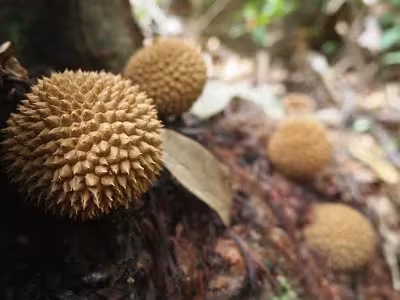
Description
Growing requirements
The Turtle durian (Durio testadinarum) is a rare member of the Malvaceae family, native to the rainforests of Borneo. Unlike more common species, it is uniquely adapted to thrive in the dense, humid understory of tropical forests.
Climate requirements for this species are strictly tropical. It demands consistently high humidity levels, ideally above 80%, and temperatures that rarely fluctuate outside the 24–30 degree Celsius range. Any exposure to cold air or dry winds can cause significant stress to the plant.
Soil composition must be rich in organic matter, typical of forest floor environments. Excellent drainage is non-negotiable; while the plant loves moisture, it is highly susceptible to root rot if water is allowed to pool around the base of the trunk.
This tree requires specific light conditions, preferring dappled sunlight during its juvenile stage. As the tree matures, it can tolerate more intense light, but consistent canopy protection is often beneficial to mimic its natural forest habitat.
Agrotechnical management focuses heavily on maintaining soil pH balance and protecting the tree from physical damage. Because its fruits grow on the lower trunk, the surrounding area must be kept free of debris and invasive weeds to prevent pest buildup.
Main diseases and pests
The primary threats to Durio testadinarum include various fungal pathogens that thrive in high-humidity tropical conditions. These often target the root system or the bark near the fruit-bearing sites, leading to rot.
Pest management is equally critical, with specific beetles and wood-boring insects posing a significant risk to the trunk integrity. Regular inspection of the stem is necessary to catch infestations early before they compromise the tree's health.
Fruit flies also pose a threat to the developing fruit. Protective netting or specialized bagging of the fruits is often employed by growers to ensure high yields and prevent insect-borne fruit rot during the final stages of ripening.
Nutrient deficiencies, particularly of microelements like iron and magnesium, can occur if the soil is not properly managed. Regular soil testing and organic fertilization are recommended to sustain the high energy demands of fruit production.
Finally, competition with aggressive weed species can stunt growth and reduce yields. Maintaining a weed-free buffer zone around the tree is a standard practice to ensure that resources remain available for the tree's development.