
Durio carinatus
Durio carinatus
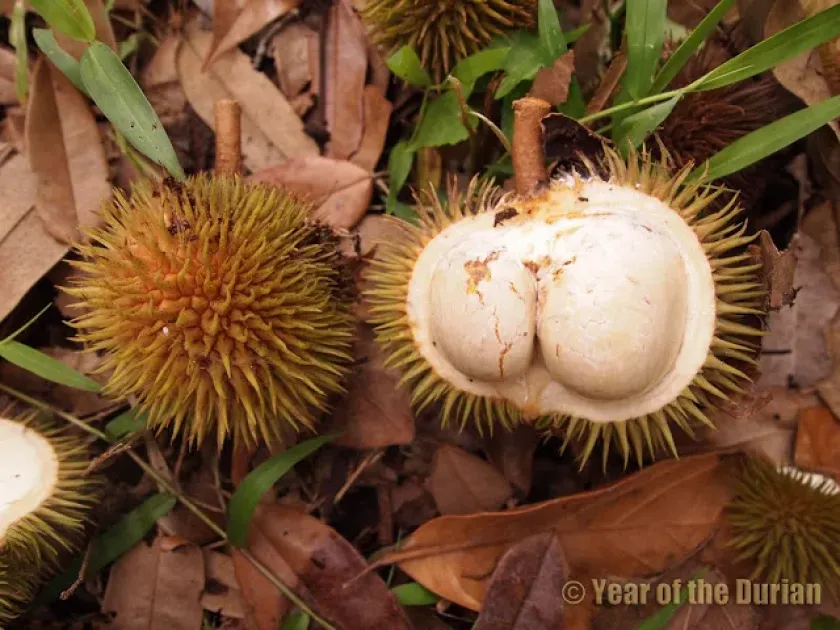
Description
Growing requirements
Durio carinatus is a distinct species within the Malvaceae family, native to the peat swamp forests of Borneo and Sumatra. It is a slow-growing tree that has evolved to thrive in waterlogged, acidic soil conditions.
The climate requirements for this species are strictly tropical, necessitating year-round high temperatures and high levels of atmospheric humidity to maintain its metabolic functions and growth rates.
The soil profile must be high in organic matter, typically found in peat swamps. Unlike common upland fruit trees, Durio carinatus requires a water-saturated root environment to remain healthy and productive.
From an agronomic perspective, cultivating this tree outside its natural habitat is challenging due to the specific hydrological conditions required. Managed orchards must prioritize water control to simulate a flood-prone environment.
Conservation efforts are vital as the natural habitat of this species is sensitive to deforestation and changes in land use, which threatens the wild populations and potential germplasm for future breeding.
Yield
The fruit of Durio carinatus is edible and sought after by local communities in Southeast Asia. While not as commercially widespread as Durio zibethinus, it provides essential nutritional value for local populations.
Yield capacity is largely determined by natural pollination success in forest ecosystems. As the trees are often scattered within dense swamp forests, consistent harvest yields are difficult to achieve.
Tree productivity is linked to annual climatic patterns, specifically rainfall intensity. In years of optimal hydrological conditions, the harvest potential increases, reflecting the tree's reliance on swamp health.
Post-harvest management is currently limited to traditional methods. The fruit's unique properties, including its flavor and aroma, remain a point of interest for botanical studies and potential culinary product development.
Further research is needed to determine the commercial viability of this species in agroforestry systems that integrate wetland protection with fruit production to support sustainable economic growth.