
Durio griffithii
Durio griffithii
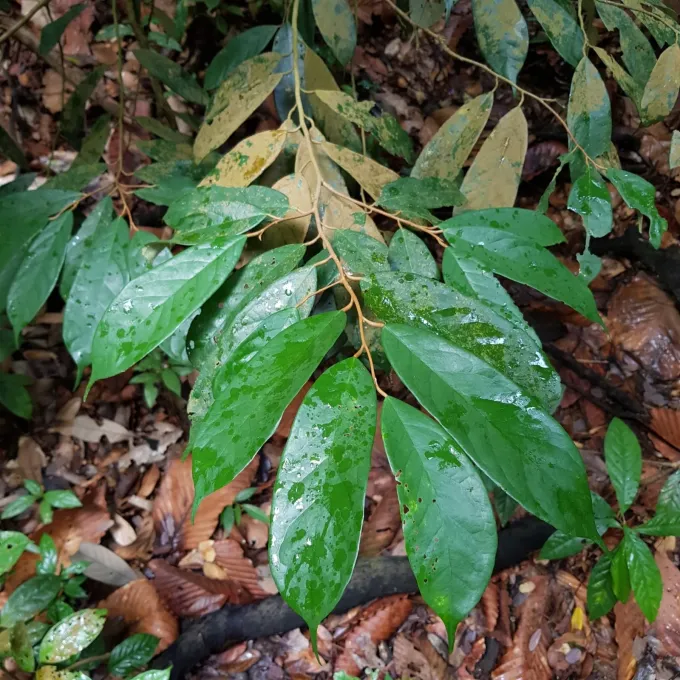
Description
Growing requirements
Durio griffithii is a perennial evergreen tree belonging to the Malvaceae family. Native to the humid rainforests of Southeast Asia, this species thrives in tropical environments characterized by high humidity and consistent annual rainfall patterns.
Climatic requirements for this crop focus on stable high temperatures, ideally ranging between +24°C and +32°C. The tree is sensitive to temperature drops and requires a protected environment to maintain its physiological processes throughout the year.
Soil conditions must prioritize excellent drainage, as the species is highly susceptible to root rot in waterlogged substrates. Fertile, deep, and acidic forest soils are considered the most appropriate for healthy tree development.
Botanically, the tree is distinguished by its smaller fruit size compared to the common commercial durian species. The tree canopy is relatively dense, providing significant shade, which helps regulate the microclimate beneath it.
Agricultural use of Durio griffithii remains largely localized. It is often managed within agroforestry systems where it contributes to biodiversity and provides non-timber forest products to local communities in its native range.
Main diseases and pests
The primary biological threat to Durio griffithii is the fungal infection caused by Phytophthora species. These pathogens attack the root system, often leading to rapid decline and mortality if drainage management is neglected.
Pest pressures include stem borers and foliage-feeding insects that target young trees. These pests can significantly stunt the growth of saplings, requiring careful monitoring and integrated pest management practices in nursery stages.
Habitat loss due to land-use changes remains a critical threat to the survival of this species in the wild. As natural forest cover decreases, the specialized ecological niche required for the tree to bloom and fruit effectively is disrupted.
Environmental stress, particularly extended dry seasons without adequate irrigation, weakens the tree's natural resistance to diseases. Maintaining soil moisture stability is essential for preventing the onset of opportunistic infections.
Research on the disease resistance of this specific species is ongoing. Current best practices emphasize the importance of site selection and quarantine measures to prevent the introduction of pathogens into healthy planting sites.