
Durio lanceolatus
Durio lanceolatus
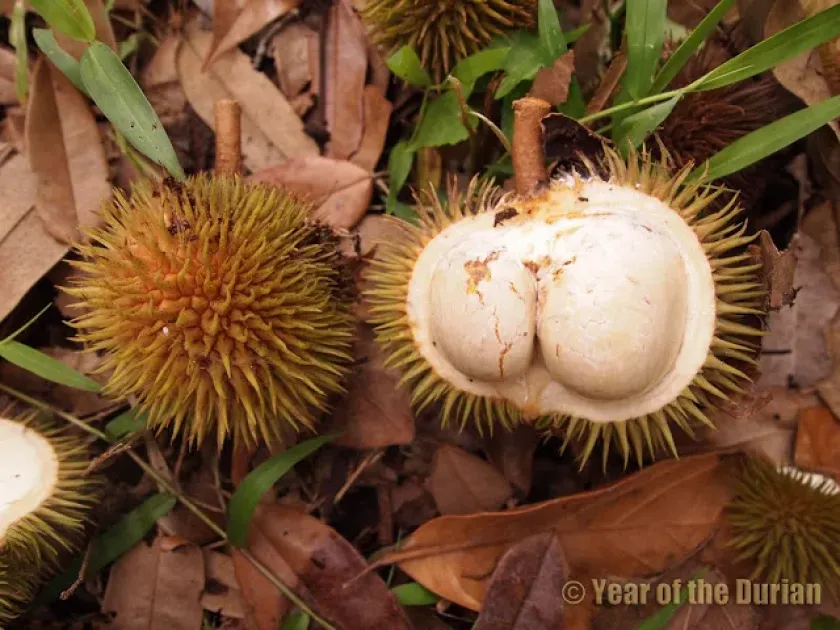
Description
Growing requirements
Durio lanceolatus is a distinctive tree species belonging to the Malvaceae family, native to the tropical rainforests of Borneo. This plant is well-adapted to high-humidity, high-temperature environments, typically thriving in equatorial regions where rainfall is abundant throughout the year.
Cultivation of this species requires well-drained, nutrient-rich soils, preferably with a slightly acidic pH. Proper water management is essential; while the tree needs significant water for growth, waterlogged soils are detrimental and often lead to root decay.
Botanically, the species is identified by its lanceolate leaves and large, ornate flowers that rely on bats for pollination. The trees are capable of growing to impressive heights, forming part of the canopy layer in their natural habitat, and they require space for optimal light penetration.
Agricultural practices for Durio lanceolatus involve regular monitoring of soil moisture and the implementation of mulching to maintain soil fertility and structure. Since the trees are sensitive to wind damage, windbreaks are recommended for plantations exposed to strong seasonal currents.
The fruit of this species is highly valued in regional markets for its unique sensory profile. Unlike some other durians, it possesses a less pungent aroma, which makes it a popular choice for consumption in local culinary traditions across its native range.
Main diseases and pests
The primary agronomic threat to this crop is Phytophthora root rot, a fungal disease that thrives in the heavy, humid soils often found in tropical environments.
Pest pressure is significant, with various species of weevils targeting the developing fruits, causing severe losses if chemical or integrated pest management strategies are not applied.
Leaf-eating caterpillars can cause widespread defoliation, which hampers the photosynthetic capacity of the tree and reduces overall fruit quality during the harvest season.
Soil-borne nematodes are another major concern, as they weaken the roots, making the plants more susceptible to secondary bacterial infections and environmental stress.
Anthracnose, a common fungal infection causing spots on leaves and fruit skin, often appears during periods of prolonged wet weather, requiring timely application of fungicides.