
Durio lowianus
Durio lowianus
Description
Growing requirements
Durio lowianus is a significant tropical tree species belonging to the Malvaceae family. Native to the pristine rainforests of the Malay Peninsula and Borneo, it is increasingly recognized for its distinct biological value and superior fruit quality compared to more common durian varieties.
The climate requirements for this species are strict, necessitating high humidity and consistent tropical temperatures. It thrives in regions where rainfall is abundant throughout the year, as the tree lacks mechanisms to tolerate prolonged periods of physiological drought.
Regarding soil preferences, Durio lowianus demands deep, fertile, and well-draining soil structures. The presence of high organic content is beneficial, though the soil must not retain excessive water to avoid the risk of root suffocation and fungal infections.
Agricultural management requires careful attention to the seedling stage, where partial shade is vital to protect the young foliage from intense ultraviolet radiation. As the tree matures, it requires full access to sunlight to support reproductive development.
Wind protection is another critical factor. The branches can be fragile, and strong gusts, especially during fruit-bearing seasons, can cause significant structural damage or premature fruit drop, leading to substantial yield losses.
Yield
The yield of Durio lowianus is characterized by a high degree of seasonal fluctuation. Trees typically reach their first productive phase after a juvenile period of seven to ten years, depending on the specific environmental conditions and genetic traits.
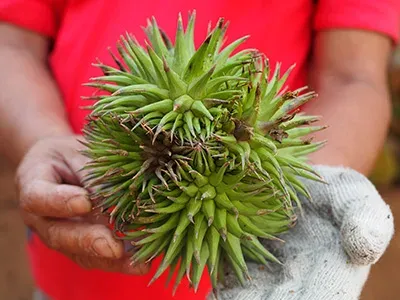
The fruit features a unique appearance with a firm, thorny husk. The internal pulp is highly prized for its refined texture and complex flavor profile, which attracts gourmet interest within the local markets of Southeast Asia.
Economic utility is primarily focused on fresh market consumption. Given the perishability of the fruit after the ripening process begins, post-harvest logistics are limited, focusing on rapid local distribution and traditional culinary applications.
Pruning is a standard practice used to optimize the tree architecture. By removing crossing or damaged branches, farmers improve air circulation, which significantly decreases the likelihood of fungal colonization within the canopy.
Yield sustainability depends on consistent nutrient management. Farmers typically employ organic fertilization techniques to ensure the trees have access to necessary micronutrients without disrupting the sensitive rhizosphere balance.
Main diseases and pests
Phytophthora root rot remains the most devastating threat to Durio lowianus orchards. This pathogen thrives in saturated soil conditions, necessitating strict adherence to irrigation schedules and professional drainage system management.
Pest pressure from stem borers and fruit flies requires active integrated pest management (IPM) strategies. Regular monitoring of the fruit development phase allows for the early detection and management of infestations.
Epiphytic growth and algae buildup on the main trunk are common in humid environments. While not immediately lethal, these growths can weaken the tree's bark over time, creating entry points for opportunistic pathogens.
Improper fertilization, particularly excessive use of nitrogen, can lead to vegetative overgrowth. This imbalance often makes the tree more susceptible to secondary pests and can delay the onset of flowering, impacting the overall harvest volume.
Wildlife management is an essential component of protecting the harvest. Given the strong aroma of the ripe fruit, local fauna often seek out orchards, requiring physical barriers or non-lethal deterrents to protect the ripening crops.