
Dudleya cymosa
Dudleya cymosa
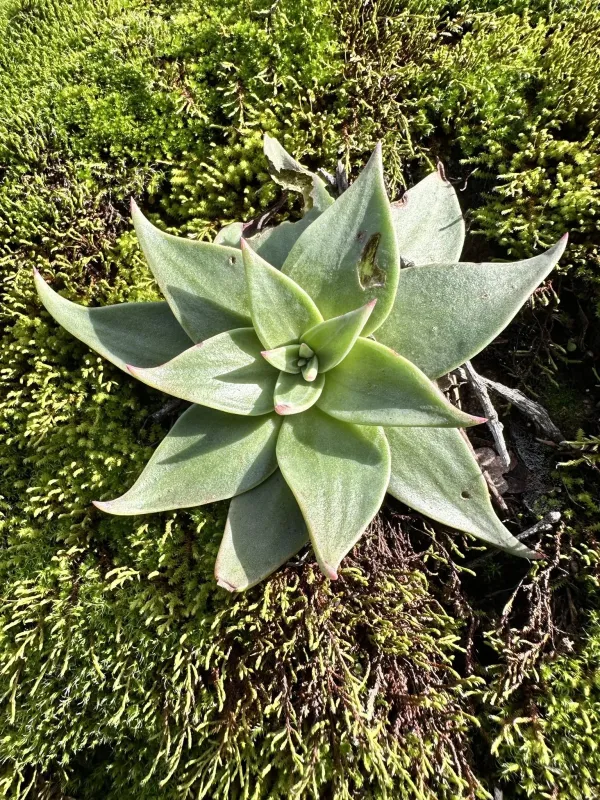
Description
Growing requirements
Dudleya cymosa is a succulent perennial plant belonging to the Crassulaceae family. Native to California, this plant is naturally adapted to rocky outcrops and steep cliffs, where it thrives in conditions that would be lethal for most other vegetation.
The plant forms a distinct rosette of fleshy, often waxy leaves, which can range in color from pale green to deep red. This wax is a specialized adaptation that helps the plant minimize transpiration and protect its tissues from excessive UV radiation during the hot summer months.
Soil requirements for Dudleya cymosa are strictly mineral-based; standard potting mixes are unsuitable. An ideal substrate consists of a blend of coarse sand, pumice, and crushed gravel to ensure rapid drainage, mimicking the crevice environment of its natural habitat.
Light intensity is paramount for maintaining the plant's health and aesthetic appeal. It requires full sun to partial shade to stay compact; low light conditions invariably lead to etiolation, where the plant stretches and loses its architectural integrity.
Climatic requirements involve a Mediterranean cycle: wet, cool winters and dry, dormant summers. Understanding this cycle is essential for success, as watering during the summer dormancy period will likely lead to rapid decay of the root system.
Main diseases and pests
The primary threat to Dudleya cymosa is fungal infection, specifically stem and root rot caused by poor soil drainage and stagnant moisture. Once rot takes hold, it spreads quickly through the succulent tissue, making early intervention difficult.
Mealybugs are the most common insect pests, often congregating in the dense center of the rosette where they are shielded from mechanical removal. These pests can severely weaken the plant and transmit secondary infections through their feeding wounds.
Aphids pose a recurring problem during the flowering season, targeting the tender flower stalks. Their presence not only weakens the inflorescence but also encourages the growth of black sooty mold on the sticky honeydew they secrete.
Slugs and snails present a significant hazard for plants kept in greenhouses or outdoor gardens with high humidity levels. They graze on the foliage, leaving large, unattractive scars that permanently damage the plant's appearance.
Effective defense involves maintaining an environment with high airflow and strictly controlling soil moisture. Growers should avoid overhead watering, which can trap water in the crown and create the ideal conditions for fungal pathogens to flourish.