
Dudleya albiflora
Dudleya albiflora
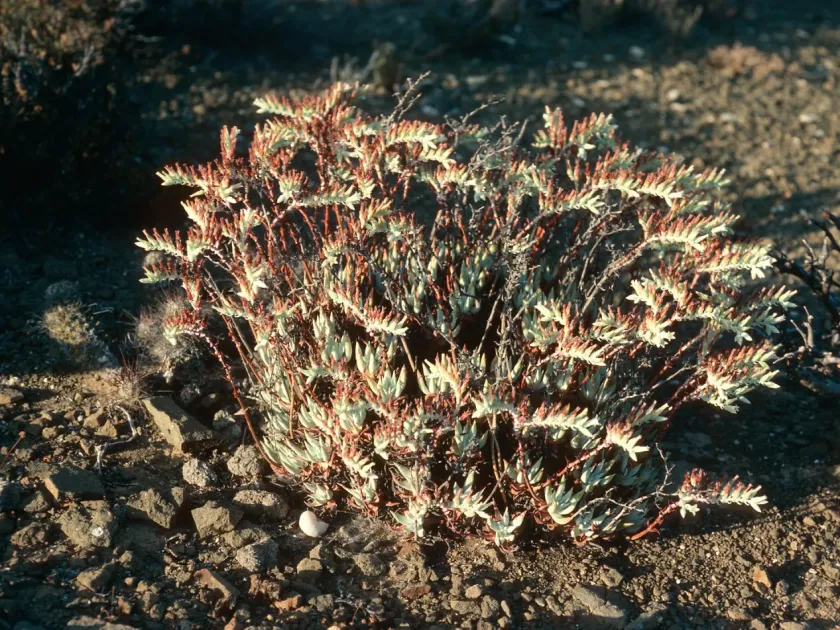
Description
Growing requirements
Dudleya albiflora is a striking succulent plant belonging to the Crassulaceae family. Native to the rocky slopes of Baja California, this species is well-adapted to arid environments, featuring a compact rosette of succulent leaves often covered in a characteristic white farina, a waxy powder that provides protection from intense solar radiation.
The cultivation of this species requires high levels of light exposure. To maintain the structural integrity and the attractive coating of the leaves, the plant should be placed in a location receiving direct morning sunlight or very bright filtered light throughout the day. Inadequate lighting will inevitably lead to etiolation and loss of form.
A well-draining soil medium is the most important requirement for successful growth. A typical mix should consist of inorganic materials such as pumice, coarse sand, and perlite, with very little organic matter. This structure prevents water from staying in contact with the roots for too long, which is crucial for preventing tissue decay.
Watering practices for Dudleya albiflora must strictly follow the dry-wet cycle. During the active growing season, water should be applied only when the soil has completely dried out. The dormant phase occurs during the cooler months, at which point watering should be significantly reduced or suspended to prevent root rot.
The plant thrives in regions with temperate climates but is often kept as a container plant in other zones. Air circulation is vital for this species, as stagnant air can lead to humidity pockets that encourage fungal growth around the base of the rosette and within the leaf axils.
Main diseases and pests
Root rot is the primary physiological threat to Dudleya albiflora, usually caused by overwatering or poor drainage in the potting mix. Once the root system is damaged by excess moisture, the rot can spread rapidly to the stem, often leading to the irreversible loss of the entire specimen.
Mealybugs are the most common pests that affect this species. These insects tend to hide between the tightly packed leaves of the rosette. Monitoring should be constant, and if an infestation is detected, systemic insecticides specifically formulated for succulents should be used carefully.
Spider mites can also become a problem in environments with low humidity and poor ventilation. These microscopic pests feed on the plant's epidermis, causing unsightly scarring and general decline in the plant's health. Maintaining proper air movement is a key preventative measure.
Fungal pathogens may take hold if water is allowed to pool in the center of the rosette. Given the waxy nature of the leaves, water droplets can act as lenses, potentially causing local damage, and persistent moisture in the crown often results in lethal rot.
Dead leaf material should be removed regularly as it accumulates at the base. This debris can retain moisture and provide a habitat for pests and pathogens. Keeping the base clean and dry is an essential part of the plant's hygiene and overall disease prevention strategy.