
Dudleya blochmaniae
Dudleya blochmaniae
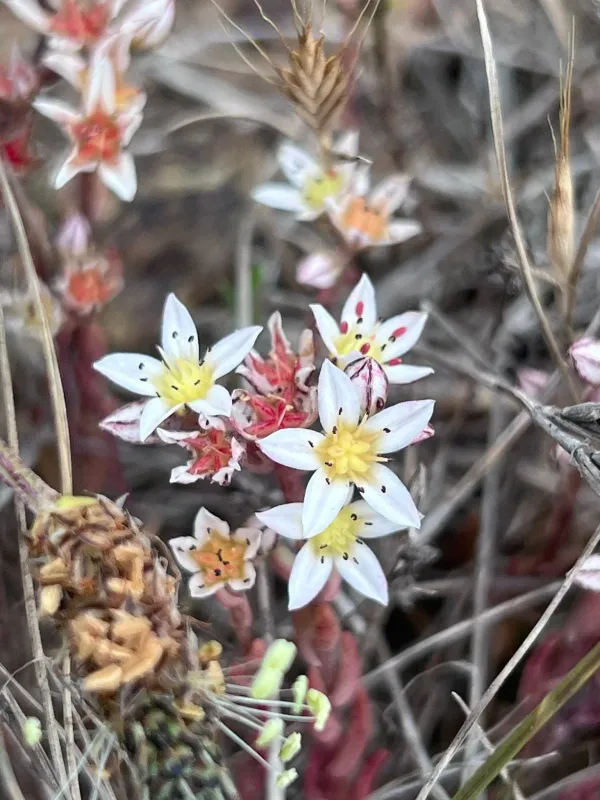
Description
Growing requirements
Dudleya blochmaniae is a rare succulent species belonging to the Crassulaceae family, native to the coastal regions of California. This plant is a geophyte, characterized by a bulb-like caudex and a dormant period during the hot, dry summer months.
In terms of botanical morphology, the plant produces a cluster of succulent leaves that form a tight rosette. During the spring, it sends up slender, branched inflorescences adorned with small, delicate star-shaped flowers, which are typical for the genus.
The cultivation of this species requires a substrate that mimics its natural habitat—stony, well-draining, and nutrient-poor soil. A mixture of pumice, coarse sand, and a small portion of potting soil is generally recommended to ensure optimal aeration for the roots.
Watering management is the most critical aspect of caring for this succulent. During its active growth phase in autumn and winter, it should be watered sparingly only when the soil has completely dried out. In summer, the plant must be kept almost entirely dry.
It thrives in bright, filtered sunlight. While it appreciates fresh air and good ventilation, it should be protected from intense, direct midday sun if grown in containers, as the leaves can easily sunburn in overly confined conditions.
Main diseases and pests
Root rot is the primary threat to Dudleya blochmaniae, almost always resulting from improper irrigation or lack of drainage. Once rot sets in at the base, it is extremely difficult to save the plant, making prevention the best defense strategy.
Mealybugs are the most common pests encountered in cultivation. They tend to settle in the tight spaces between leaves and at the base of the rosette. Regular monitoring is essential, as these pests can multiply rapidly if left unchecked.
Fungal pathogens can also pose a risk if the plant is kept in an environment with high humidity and poor air circulation. Proper spacing between plants and regular ventilation help in creating an unfavorable environment for fungal development.
In outdoor settings, small slugs and snails are highly attracted to the succulent foliage of this species. These pests can cause significant structural damage to the rosettes, so the use of protective barriers or bait is often necessary.
While less common, spider mites can become an issue in extremely dry and stagnant air. Keeping the plants clean and ensuring a steady flow of fresh air around the foliage is a highly effective cultural control method against mite infestations.