
Dudleya caespitosa
Dudleya caespitosa
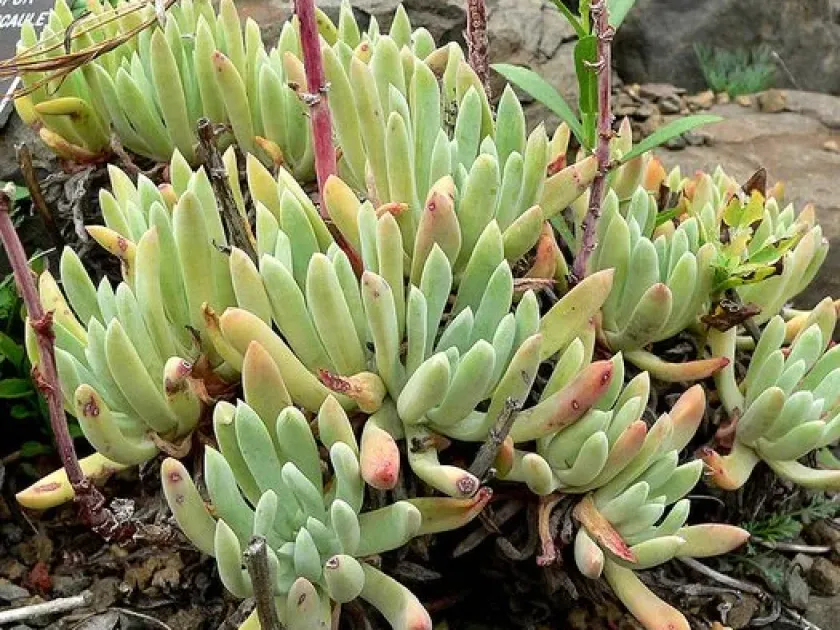
Description
Growing requirements
Dudleya caespitosa is a perennial succulent plant native to the rocky coastal regions of California. It belongs to the Crassulaceae family and is well-known for its thick, fleshy leaves arranged in tight, aesthetic rosettes.
This species is highly adapted to arid environments. Its primary biological function is moisture retention, which allows it to thrive in nutrient-poor, rocky soil where water availability is extremely limited.
Successful cultivation requires a specialized mineral-based substrate. Standard potting mixes are unsuitable; a blend of coarse sand, gravel, and pumice is necessary to ensure optimal drainage and prevent root rot.
Climate requirements include plenty of bright, indirect sunlight. While the plant can tolerate some direct sun in cooler climates, it typically needs protection from intense midday heat to prevent leaf scorching and desiccation.
The main commercial and hobbyist use for this plant is in ornamental landscaping, specifically in rock gardens or as a specimen container plant. Its architectural form makes it a sought-after variety for succulent collectors worldwide.
Main diseases and pests
The most common threat to Dudleya caespitosa is fungal disease caused by improper watering. Excess moisture trapped in the soil or between leaf layers quickly encourages pathogens that destroy the root system.
Pests such as mealybugs and aphids are frequent visitors to these rosettes. They target the tender tissue at the base of the leaves, drawing sap and weakening the plant's structural integrity.
Effective pest management involves regular cleaning of the leaf rosettes to remove debris where insects might shelter. Maintaining good ventilation is also essential to reduce the humidity levels that pests prefer.
When chemical intervention is required, it is crucial to use products specifically formulated for succulents to avoid damaging the plant's sensitive waxy cuticle. Always apply treatments in a controlled manner.
Early diagnosis is the key to preventing complete plant loss. If signs of rot or insect infestation appear, the plant must be isolated immediately to protect the rest of the collection.