
Dischidia platyphylla
Dischidia platyphylla
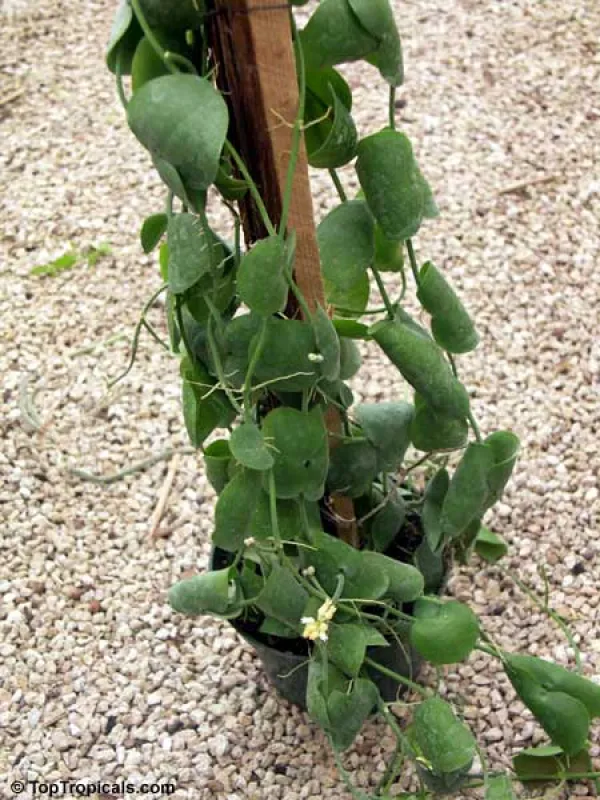
Description
Growing requirements
Dischidia platyphylla is a unique epiphytic species belonging to the Apocynaceae family. Native to the Philippines, this plant naturally thrives in tropical rainforests, typically growing on tree trunks rather than in soil.
The plant is categorized as a succulent epiphyte. Its fleshy leaves serve as water storage reservoirs, allowing the plant to survive in environments where water availability is inconsistent and fleeting.
To cultivate Dischidia platyphylla effectively, one must ensure high humidity levels, ideally maintained between 60% and 80%. This mimics the natural forest canopy climate which is crucial for the plant’s health.
The growing medium should be highly breathable and mimic natural bark conditions. A mixture of orchid bark, perlite, and sphagnum moss is recommended to ensure that air circulates around the roots, preventing suffocation.
Light requirements are specific: bright, indirect sunlight is optimal. Direct sun exposure should be strictly avoided to prevent scorching the delicate foliage, while low light can result in leggy growth and reduced vigor.
Main diseases and pests
The primary pests affecting Dischidia platyphylla include mealybugs and spider mites. These small insects tend to hide in the axils of the leaves, making them difficult to detect until an infestation is well underway.
Fungal infections are a significant threat, particularly those affecting the root system. Over-watering and waterlogged substrate are the leading causes of root rot, which can prove fatal to the plant within a short period.
Scale insects can also colonize the stems, creating hard protective covers that make manual removal challenging. Systemic insecticides are often required when biological controls are insufficient to manage a population surge.
Proper air circulation is the best preventive measure against various types of foliage diseases. Stagnant air allows spores of pathogens to settle and germinate on the leaves, leading to ugly spotting and tissue necrosis.
Regular monitoring of plant health and rapid isolation of any symptomatic plants are critical components of a successful integrated pest management strategy in a greenhouse setting.