
Dischidia acutifolia
Dischidia acutifolia
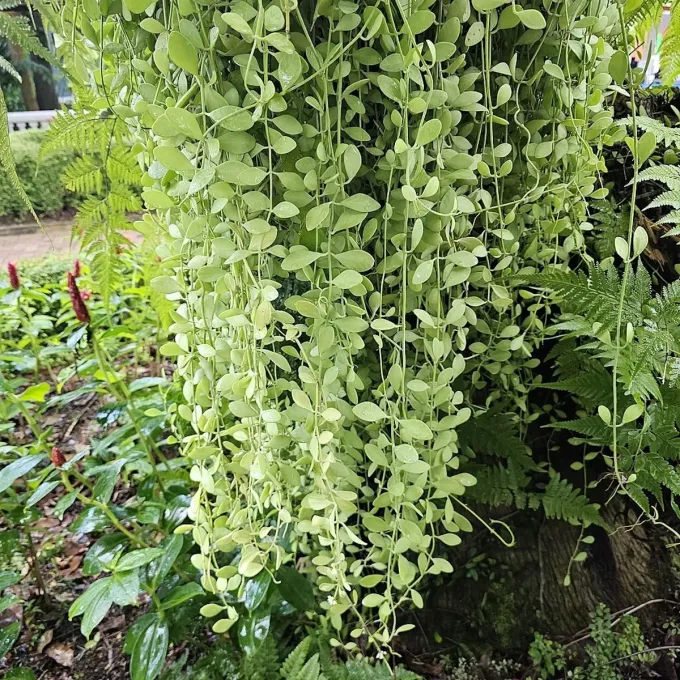
Description
Growing requirements
Dischidia acutifolia is an intriguing species within the Apocynaceae family, native to the tropical regions of Southeast Asia. As an epiphyte, it has evolved to thrive on tree bark, relying on specialized structures to capture moisture and nutrients from the humid air.
To successfully cultivate this species, growers must replicate its natural tropical environment, prioritizing high ambient humidity levels. The temperature should be kept consistent, ideally ranging between 20°C and 28°C throughout the year to encourage healthy vegetative growth.
The choice of growing medium is essential; it must be exceptionally porous to allow for root respiration. A blend of orchid bark, perlite, and dried sphagnum moss provides the ideal balance of moisture retention and necessary drainage for this epiphytic plant.
Light requirements for Dischidia acutifolia include bright, filtered light. Direct, harsh sunlight can damage the foliage by causing leaf scorch, while extremely low light conditions will significantly stunt the plant's development and reduce its aesthetic appeal.
Routine care involves regular misting and providing water only when the medium begins to dry slightly. Overwatering is the most common cause of failure, leading to root rot and eventual collapse of the entire specimen, as the roots are highly sensitive to oxygen deprivation.
Main diseases and pests
The most common pests affecting this culture are mealybugs and spider mites, which thrive in environments where humidity is not properly maintained. Early detection is vital for effective management of these sap-sucking pests.
Root rot, driven by fungal pathogens, remains the primary threat to Dischidia acutifolia. It is almost always a result of poor soil aeration or excessive watering practices that keep the roots in a waterlogged condition for extended periods.
Bacterial spots on the foliage can occur if there is a lack of air circulation around the plant, especially in humid conditions. Ensuring proper ventilation helps to keep the leaves dry and reduces the likelihood of such infections taking hold.
Preventative measures include avoiding overcrowding plants, which allows for better airflow, and using sterile potting media during the repotting process. Regular maintenance, such as removing debris from the container, also discourages pest infestation.
In cases of severe infestation or infection, systemic insecticides or fungicides should be applied, but they should be used sparingly to avoid damaging the plant's delicate root system or sensitive foliage.