
Dischidia
Dischidia hybrids
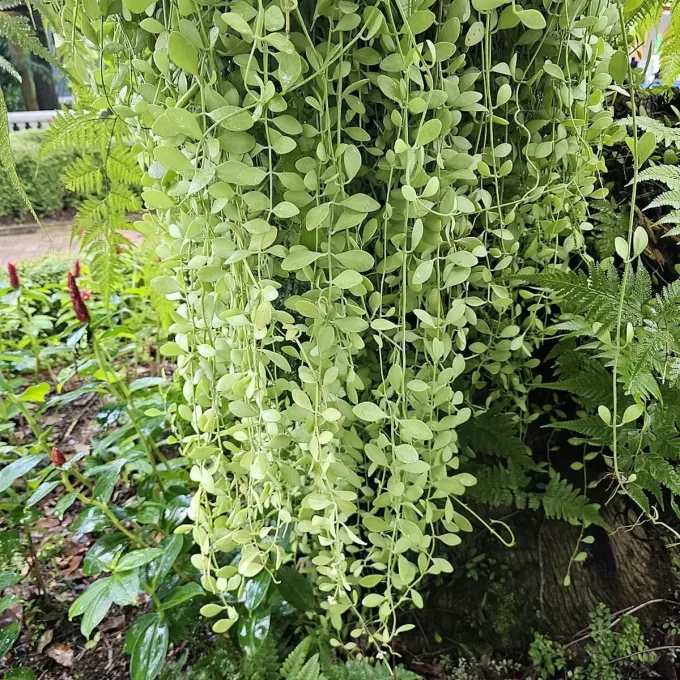
Description
Growing requirements
Dischidia is a genus of epiphytic succulents belonging to the Apocynaceae family. These plants originate from the tropical regions of Asia and Australia, where they primarily grow on trees as part of the canopy ecosystem.
The hallmark of the Dischidia genus is its remarkable leaf modification. Many species develop specialized bladder-like or cup-shaped leaves that act as water storage chambers, often forming symbiotic relationships with ants in their native habitats.
Cultivating these plants requires conditions that mimic their natural tropical environment. They thrive in bright, indirect light; harsh sunlight can easily scorch their delicate, moisture-filled leaves, while insufficient light leads to sparse and leggy growth.
Temperature management is critical for the health of the plant. A stable range between 20°C and 25°C is ideal for growth. During the colder months, it is essential to keep the plant away from cold drafts and sudden temperature drops, which can cause leaf drop.
The potting medium must be exceptionally well-draining, similar to that used for orchids or bromeliads. A mixture of pine bark, sphagnum moss, perlite, and charcoal ensures that the roots receive ample aeration and do not sit in stagnant water.
Main diseases and pests
Dischidia is susceptible to several common greenhouse pests, most notably mealybugs and spider mites. These pests thrive in dry environments and can quickly infest the tight leaf junctions, causing significant damage to the plant's health.
Root rot is the most frequent disease affecting this crop. It is almost exclusively caused by overwatering or using a soil mix that is too dense, preventing the roots from breathing. Symptoms include yellowing leaves and soft, blackened stem bases.
Preventing these issues involves maintaining proper hygiene and airflow around the plant. Regularly misting the foliage can help discourage spider mites, but one must ensure that leaves dry off relatively quickly to prevent mold growth.
In case of infestation, chemical treatments should be used with caution, as succulents can be sensitive to certain solvents or oils in pesticides. It is always best to perform a small patch test on a few leaves before treating the entire plant.
Monitoring for health involves checking the firmness of the leaves and the condition of the substrate. Healthy Dischidia should feel robust and firm, and a light, airy substrate is the best insurance against potential fungal pathogen outbreaks.