
Dischidia oiantha
Dischidia oiantha
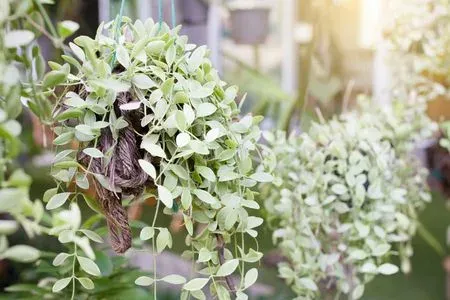
Description
Growing requirements
Dischidia oiantha is a tropical epiphytic plant belonging to the Apocynaceae family. Native to the rainforests of the Philippines, it naturally grows on tree trunks, utilizing them for structural support while maintaining its own moisture balance through specialized leaves.
To successfully cultivate this species, provide bright, indirect light. Direct sunlight can scorch the succulent leaves, so positioning the plant near an east or west-facing window is ideal for consistent, healthy growth and leaf development.
The plant thrives in stable temperatures ranging between 20°C and 26°C (68°F–79°F). It is highly sensitive to sudden temperature shifts and cold drafts, which can cause significant stress, resulting in leaf drop or stunted development.
A well-aerated, fast-draining substrate is mandatory for Dischidia oiantha. Use an orchid mix composed of pine bark, sphagnum moss, perlite, and charcoal to replicate its natural environment, ensuring excellent oxygen flow to the roots.
Humidity is essential for this plant, as it absorbs moisture from the air. Aim for 60-80% humidity levels; in indoor environments, this is best achieved through regular misting with soft, filtered water or by placing the plant near a humidifier.
Main diseases and pests
Common pests affecting Dischidia oiantha include scale insects and spider mites, which often emerge when air humidity is too low. If an infestation is detected, treat the plant promptly with an appropriate systemic insecticide.
Root rot is the most serious threat to Dischidia, typically caused by waterlogged soil and poor drainage. Ensure pots have ample drainage holes and allow the substrate to dry out slightly between waterings to maintain root health.
Mealybugs often hide in the leaf axils, making them difficult to spot. Regular inspection is necessary, and manual removal using a cotton swab dipped in rubbing alcohol is an effective treatment during the early stages of a pest outbreak.
Fungal infections may develop if airflow is insufficient. Keep the environment ventilated and avoid overcrowding the plants to prevent moisture-loving pathogens from proliferating on the foliage or stems.
Proactive care involves maintaining strict hygiene and monitoring plant health daily. A well-nourished Dischidia with firm leaves is generally resilient against pests and diseases, provided its environmental requirements are consistently met.