
Dischidia parasitica
Dischidia parasitica
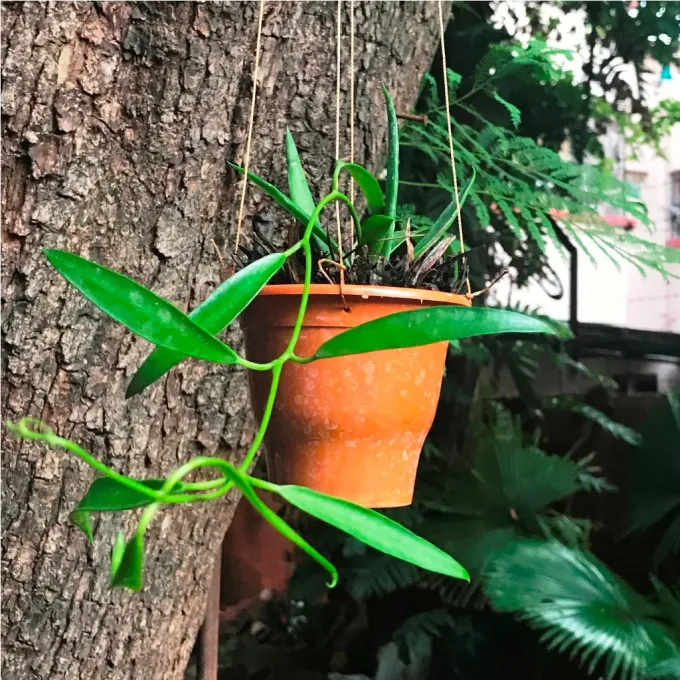
Description
Growing requirements
Dischidia parasitica is an epiphytic plant species belonging to the Apocynaceae family. Native to the tropical forests of Southeast Asia, it primarily thrives in tree canopies, utilizing its unique morphological adaptations to absorb moisture and nutrients directly from the humid air and atmospheric debris.
For successful cultivation, a warm and stable environment is essential, with temperatures typically ranging between 20°C and 28°C. Providing consistent warmth is critical, as cold drafts or sudden drops in temperature can cause significant physiological stress, often leading to leaf abscission and growth dormancy.
The choice of growing medium is vital for this epiphyte. A standard soil mix is unsuitable; instead, a loose, airy substrate composed of pine bark, charcoal, perlite, and sphagnum moss should be used. This mimics the natural bark surfaces and ensures that the root system has optimal aeration, preventing root rot.
The plant thrives under bright, filtered light conditions. Direct sunlight exposure should be carefully managed, as it can easily scorch the succulent leaves. In indoor or greenhouse settings, utilizing light shading or eastern-facing light levels helps maintain the healthy green pigmentation of the foliage.
Humidity management is the most important aspect of its agrotechnics. Maintaining a humidity level of 60–80% is ideal, which can be achieved through regular misting, the use of humidifiers, or placing the plant in a terrarium. Water quality is also significant, with soft, room-temperature water being the best option.
Main diseases and pests
The most common pests affecting Dischidia parasitica include spider mites and mealybugs, which tend to proliferate in dry indoor conditions. Regular inspection and localized treatment with insecticidal soaps or horticultural oils can help manage these infestations effectively without damaging the plant.
Root system issues, primarily caused by waterlogged substrates or poor drainage, represent the most frequent pathological threat. Implementing a strict water control regimen and ensuring the substrate dries out sufficiently between waterings is the most effective preventative measure against various fungal pathogens.