
Diphasiastrum oellgardii
Diphasiastrum oellgardii
Description
Growing requirements
Diphasiastrum oellgardii is a rare botanical species belonging to the Lycopodiaceae family. It is a perennial evergreen plant that exhibits specialized growth patterns, typical of species adapted to high-altitude or moist forest ecosystems.
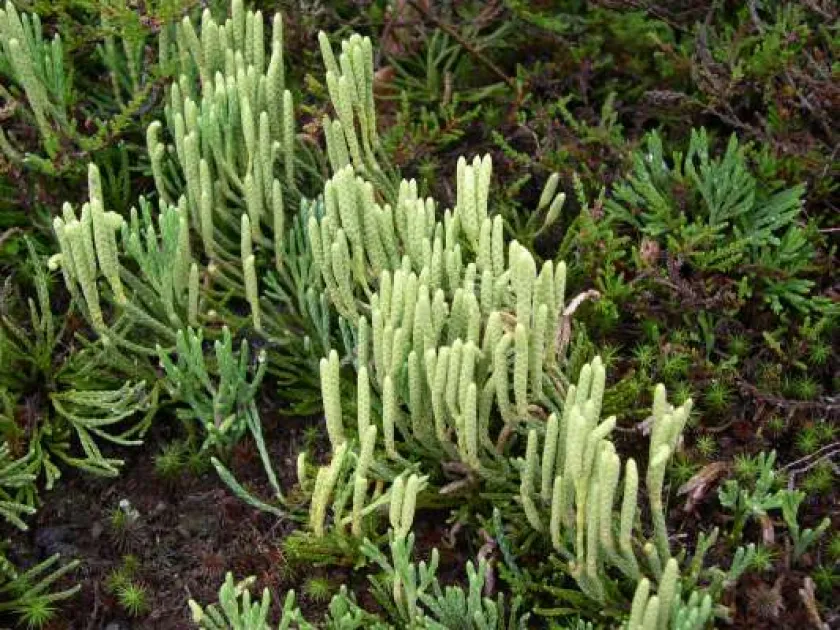
The plant is characterized by creeping stems that branch out to form dense, ground-hugging mats. The foliage consists of tiny, scale-like leaves that are tightly pressed against the stem to minimize transpiration.
This species is not an agricultural crop. Its distribution is highly restricted to specific mountainous regions, primarily in South America, where it thrives in cool, humid, and shaded environments.
The ecological requirements of Diphasiastrum oellgardii include highly specific soil acidity and constant moisture levels. These factors make it nearly impossible to propagate in standard agricultural settings or gardens.
Scientific interest in this plant is strictly focused on conservation and evolutionary biology. It is studied for its unique reproductive strategies involving spores and its reliance on specific soil microbial communities.
Main diseases and pests
The primary threat to Diphasiastrum oellgardii is the destruction of its fragile habitat due to climate change and human expansion. The plant is extremely sensitive to changes in humidity and air temperature.
As a wild plant, it faces no competition from agricultural pests, but it is highly susceptible to habitat degradation. Invasive flora in mountainous zones can easily displace this delicate species.
There are no known diseases affecting this plant in a commercial sense, as it is never subject to cultivation. However, pathogens that alter soil chemistry can disrupt the mycorrhizal relationships essential for its development.
Conservation efforts are currently focused on preserving the integrity of its native environment. Restoration of degraded sites is complicated by the slow growth rate and specific biological needs of the species.
Overall, Diphasiastrum oellgardii requires strict protection protocols in its natural range. It is not managed through agricultural techniques, and any attempt at domestic propagation would be considered a purely scientific or botanical endeavor.