
Issler's Clubmoss
Diphasiastrum issleri
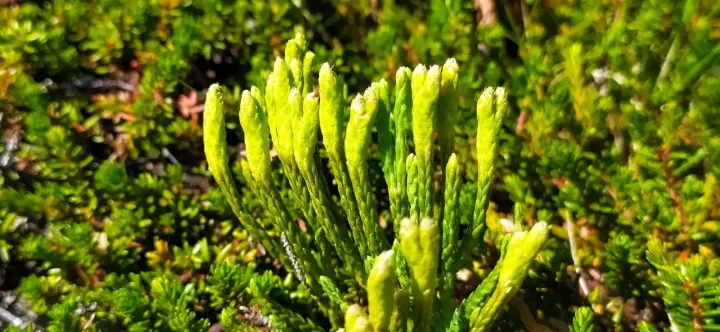
Description
Growing requirements
Issler's Clubmoss (Diphasiastrum issleri) is a member of the Lycopodiaceae family. It is a perennial, evergreen vascular plant that propagates via spores, characterized by a slow and complex life cycle involving a subterranean gametophyte stage.
The native range of this species extends across high-latitude regions and mountainous parts of Europe. It thrives in temperate, cool climates where moisture is consistent, and the habitat remains largely undisturbed by modern agricultural practices.
The plant requires acidic, well-drained, but moist soil, typically found in heathlands or coniferous woodland edges. It possesses a delicate symbiotic relationship with specific soil fungi, which is vital for the germination of its spores and nutrient uptake.
It is not an agricultural crop in the traditional sense, as it does not tolerate soil cultivation or mechanical disturbance. Any effort to manage this plant is strictly for conservation purposes to ensure its survival within natural habitats.
Proper environmental management for this species includes maintaining a stable canopy cover and preventing soil erosion. The species is highly sensitive to chemical fertilizers and herbicide runoff, which can quickly degrade its niche.
Main diseases and pests
Habitat loss represents the most significant threat to Diphasiastrum issleri. Forestry operations, infrastructure development, and soil drainage destroy the fragile micro-environments required for the plant's delicate reproductive cycle.
Environmental pollution, especially nitrogen deposition from nearby industrial or agricultural areas, alters soil chemistry. This shift promotes the growth of more vigorous vascular plants, leading to the competitive displacement of the slower-growing clubmoss.
Climate change poses a long-term risk by shifting suitable ecological zones further north or to higher altitudes. Since the species has limited dispersal capabilities, it cannot easily track these moving climate zones, putting isolated populations at risk.
Pathogenic fungi can cause root decay if the soil remains waterlogged for extended periods. Monitoring is typically focused on identifying these stresses and preventing the spread of fungal pathogens via contaminated equipment or human activity.
Human-induced trampling in sensitive areas leads to physical destruction of the creeping stems. Conservation authorities often implement restricted access to protect the known sites where these unique plants exist in the wild.