
Diphasiastrum kablikianum
Diphasiastrum kablikianum
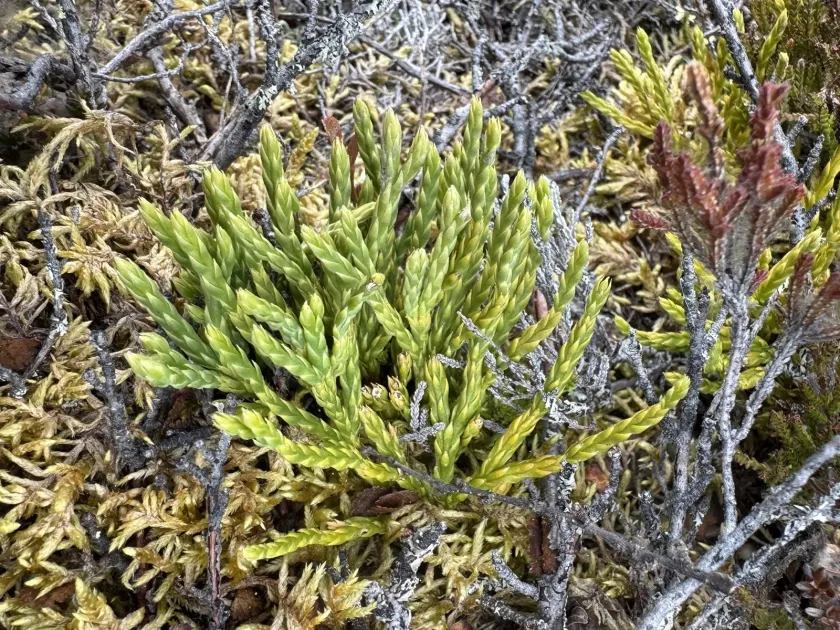
Description
Growing requirements
Diphasiastrum kablikianum is a rare perennial species belonging to the Lycopodiaceae family. It is recognized by its distinct creeping stems and dichotomously branched shoots, which provide a unique architectural look in the forest understory.
Biologically, this plant is a pteridophyte that thrives in high-humidity environments. It does not produce seeds, relying instead on spores for distribution and complex rhizome systems for vegetative spreading in acidic soils.
The plant has strict requirements regarding its growth medium, preferring shaded forest habitats with a thick layer of moss and organic leaf litter. It necessitates a symbiotic relationship with specific soil fungi to absorb essential nutrients.
Temperature stability is crucial for this species. It is typically found in cool, temperate regions where extreme heat or prolonged drought is absent, as such conditions would be fatal to the delicate sporophyte generation.
While there is no industrial cultivation of this plant, research into its propagation focuses on ex-situ conservation. Cultivation requires precise control of humidity, shade, and chemical soil composition to mimic the natural forest floor.
Main diseases and pests
The primary threat to Diphasiastrum kablikianum is habitat fragmentation. Modern forestry practices that disturb the soil surface destroy the delicate rhizomes and the fungal networks essential for the plant's nutrient uptake.
Fungal infections can become a threat during seasons of abnormal rainfall or humidity. These pathogens primarily affect the spore-bearing strobili, preventing successful reproduction and the creation of new plant colonies.
Invasive plant species pose a significant threat by outcompeting the slow-growing clubmoss for light and soil space. Once a site is colonized by aggressive weeds, the slow-spreading Diphasiastrum is usually extirpated.
Pollution and changes in soil chemistry represent long-term dangers. As an indicator species, it reacts negatively to nitrogen overload and pesticides, which disrupt its fragile physiological balance.
Physical disturbance by humans, including trampling in protected natural areas, is a major concern. The plant’s low resilience to pressure makes it extremely difficult for damaged populations to regenerate.