
Ground cedar
Diphasiastrum complanatum
Description
Growing requirements
Ground cedar, known scientifically as Diphasiastrum complanatum, belongs to the Lycopodiaceae family. It is a long-lived, evergreen vascular plant that typically populates coniferous forest biomes across the Northern Hemisphere.
This species thrives in well-drained, acidic forest soils. It is highly adapted to shady or semi-shaded environments, avoiding direct sunlight which can lead to desiccation of the delicate prostrate stems and foliage.
The biological success of ground cedar is strictly linked to a mycorrhizal association with soil fungi. This symbiosis is essential for spore germination and early development, which explains why the species is notoriously difficult to cultivate in non-natural settings.
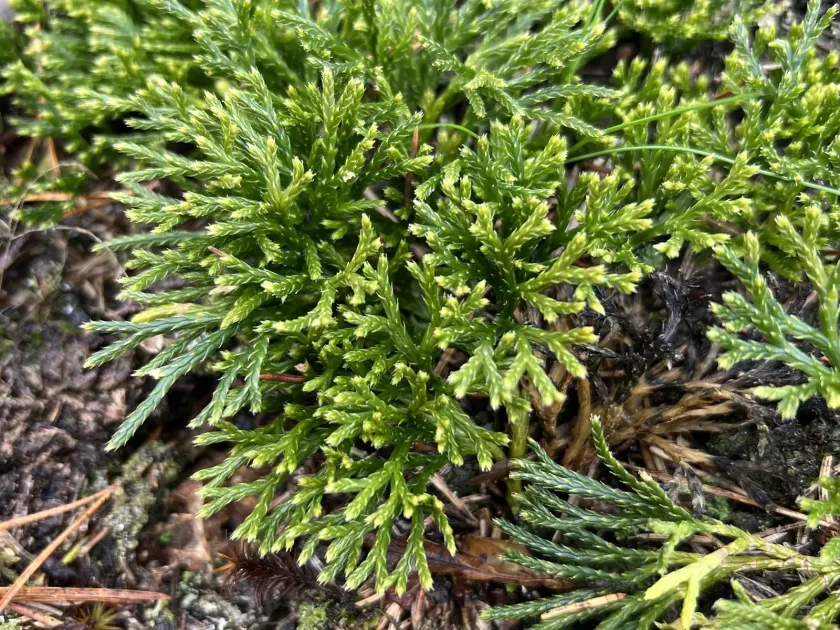
Its morphology is characterized by flattened, fan-like branches that resemble arborvitae leaves. This unique structure allows the plant to efficiently utilize low light levels in the forest understory, forming dense, carpet-like mats on the forest floor.
Environmental requirements include high air humidity and relatively stable cool temperatures. The plant is sensitive to habitat disruption, such as soil compaction or deforestation, which easily destroys the specific microclimatic conditions necessary for its long-term survival.