
Diphasiastrum madeirense
Diphasiastrum madeirense
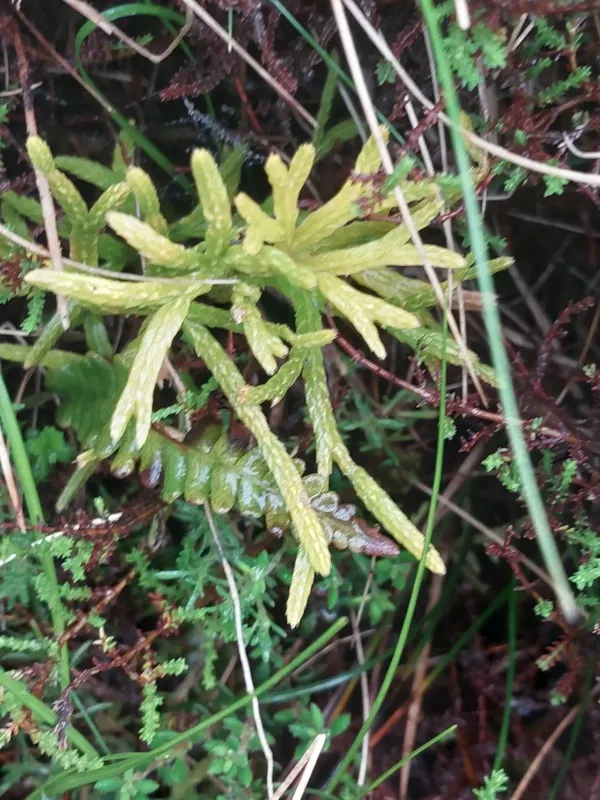
Description
Growing requirements
Diphasiastrum madeirense is a perennial herbaceous plant belonging to the Lycopodiaceae family. Known for its distinct morphological structure, this species represents a fascinating group of spore-bearing plants primarily native to the mountainous regions of Madeira.
Botanically, the plant is characterized by its creeping horizontal stems that root into the substrate. This growth form is an evolutionary adaptation that allows the plant to stabilize itself on challenging terrain and survive in nutrient-poor environments.
The ecological requirements for Diphasiastrum madeirense are quite strict, necessitating highly acidic soils rich in organic matter. The presence of peat or moss-covered surfaces is often essential for the successful establishment of spores and the development of the gametophyte.
Climate plays a critical role in the species' distribution; it thrives in an oceanic climate characterized by constant high humidity and consistent temperatures. The species is highly dependent on mist and fog to maintain its metabolic functions and reproductive health.
Shade tolerance is a significant trait for this plant, as it typically grows in the understory of laurel forests or in sheltered crevices. Intense direct sunlight and high evaporation rates are usually detrimental to its delicate surface tissues.
Main diseases and pests
Habitat loss resulting from deforestation and land conversion remains the primary threat to the stability of Diphasiastrum madeirense populations. The destruction of the natural canopy leads to increased light exposure and decreased humidity levels.
Invasive plant species represent a major biological threat, as they grow faster and occupy the same ecological niche as the lycopod. This competition limits the availability of nutrients and space, causing a decline in mature populations.
Climate change poses a long-term risk, particularly through the potential alteration of fog belts in mountainous zones. Since the species relies on ambient humidity for spore germination, even slight shifts in precipitation patterns can impede its life cycle.
Pathogen susceptibility, while not extensively documented, may include fungal infections occurring in waterlogged or disturbed soil conditions. Such infections can weaken the root system and inhibit the vegetative spread of the plant colonies.
Due to its endemic nature and narrow distribution, the species is classified as vulnerable. Protecting its specific habitat from grazing, trampling, and environmental degradation is essential for preventing the loss of this unique botanical resource.