


Reference · Crops
Persimmon
Diospyros L.
Persimmon (Diospyros L.) is a genus of deciduous or evergreen trees belonging to the Ebenaceae family, widely cultivated for their nutritious and sweet fruits.
5
items
What the section contains
Marketplace
Products in this section · 12


Persimmon
The most reliable method of propagation in commercial nurseries is grafting, as it allows for the maintenance of specific cultivar traits and ensures earlier fruit production.
Young trees are typically planted in the spring after the danger of severe late frosts has passed, allowing the root system to establish in warming soil.
Selecting a suitable rootstock, such as Diospyros virginiana, is essential for providing cold hardiness and environmental adaptation to the grafted variety.
Spacing between trees varies depending on the training method, but generally, 5 to 7 meters is recommended to prevent overcrowding and ensure adequate airflow.
Persimmons thrive in temperate to subtropical climates that offer a long, warm growing season, although some varieties are bred to withstand freezing temperatures.
Well-drained soil is a non-negotiable requirement for healthy growth, as these trees are highly susceptible to root rot caused by stagnant water or poor drainage.
The optimal soil pH range for persimmon trees is slightly acidic to neutral, which allows the roots to effectively absorb necessary nutrients from the substrate.
While the trees are somewhat drought-tolerant once established, consistent moisture during the fruit-set period is crucial for preventing fruit drop.
Sunlight exposure is vital for sugar accumulation in the fruits, so trees should be located in full sun areas away from large buildings or shaded borders.
Depending on the variety and care, persimmon trees typically begin to produce a significant yield between 3 and 6 years after planting.
A healthy, mature tree can produce a substantial harvest, making it a valuable crop for both small-scale home gardens and large commercial operations.
The harvested fruit is used for fresh consumption, drying, and processing into jams or desserts, reflecting its high versatility in the food industry.
Productivity is greatly enhanced by proper pruning, which opens the canopy to sunlight and removes dead or unproductive wood to channel energy into fruiting branches.
Nutritionally, the fruit is prized for being rich in vitamin A, vitamin C, and fiber, contributing to its growing global demand and market value.
Common issues include fungal diseases like anthracnose and leaf spot, which thrive in humid conditions and can lead to premature defoliation.
Pests such as mealybugs and scale insects may infest the branches, requiring monitoring and targeted application of horticultural oils or organic sprays.
Good orchard hygiene, such as removing fallen leaves and pruning away infected branches, is the most effective way to prevent the buildup of pathogens.
Balanced fertilization is important, as excessive nitrogen can lead to rapid, succulent growth that is more attractive to sap-sucking insects.
Regular monitoring of the tree’s general health, especially during the spring bud-break, allows for early intervention against seasonal pest outbreaks.
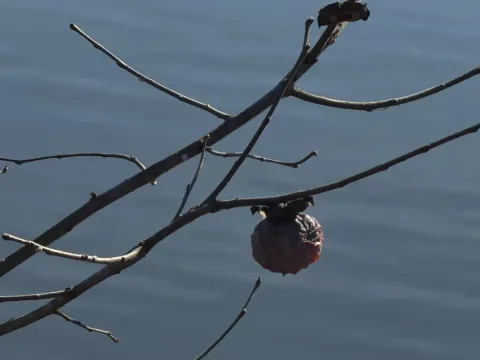
Harvest time for persimmons occurs in late autumn, and the timing is critical as the fruit must reach full color but should be handled with extreme care.
Fruits are harvested by clipping the stem close to the calyx, ensuring that the fragile skin is not punctured, which could lead to rapid spoilage.
Storage requires cool, dry conditions, and for non-astringent varieties, fruits can often be consumed immediately after harvest or kept in cold storage.
Astringent varieties require special post-harvest treatment, such as keeping them in closed containers, to remove tannins before they are ready for market.
Proper packaging materials, such as individual dividers, are used to prevent bruising during transportation, preserving the quality of the fruit for consumers.