
Morris persimmon
Diospyros morrisiana
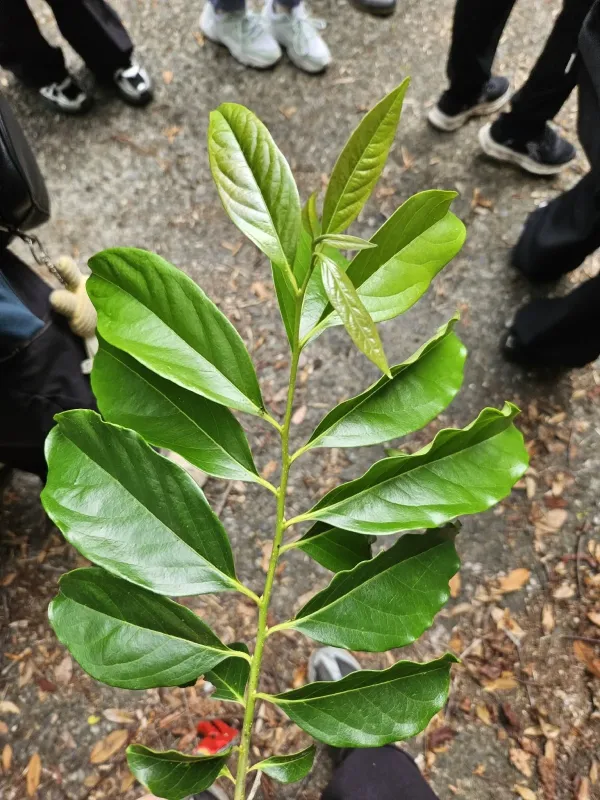
Description
Growing requirements
Morris persimmon (Diospyros morrisiana) is a prominent species within the Ebenaceae family. It is an evergreen tree that can reach significant heights, characterized by dense foliage and a robust branching structure that provides aesthetic value.
The plant is native to subtropical regions of Southeast Asia, including parts of China and Taiwan. Its natural habitat is typically found in diverse forest environments where it thrives under high humidity and relatively stable temperatures.
To ensure optimal growth, the species requires fertile, well-draining soil with a pH ranging from slightly acidic to neutral. Consistent moisture levels are crucial, particularly during the active growing season, to maintain tree vigor and prevent stress.
Climate requirements for this culture are strictly subtropical, necessitating locations that are sheltered from harsh winds. While the tree can tolerate minor fluctuations in temperature, it performs best in regions where prolonged freezes are absent.
Agricultural management of the tree includes structural pruning to ensure proper light penetration into the inner canopy. Regular nutrient applications are recommended, specifically focusing on balanced NPK formulations to support consistent annual development.
Harvesting
Harvesting usually occurs when the fruits exhibit a mature, vibrant orange-red color. The fruits are typically small in size but are valued for their nutritional density and potential for local food production and traditional culinary applications.
Beyond agricultural produce, the Morris persimmon is highly regarded for its ornamental use. It serves as an excellent feature tree in gardens and public landscapes due to its year-round green foliage and attractive fruit display.