
Digitalis xvalinii
Digitalis xvalinii J. D. Arm.
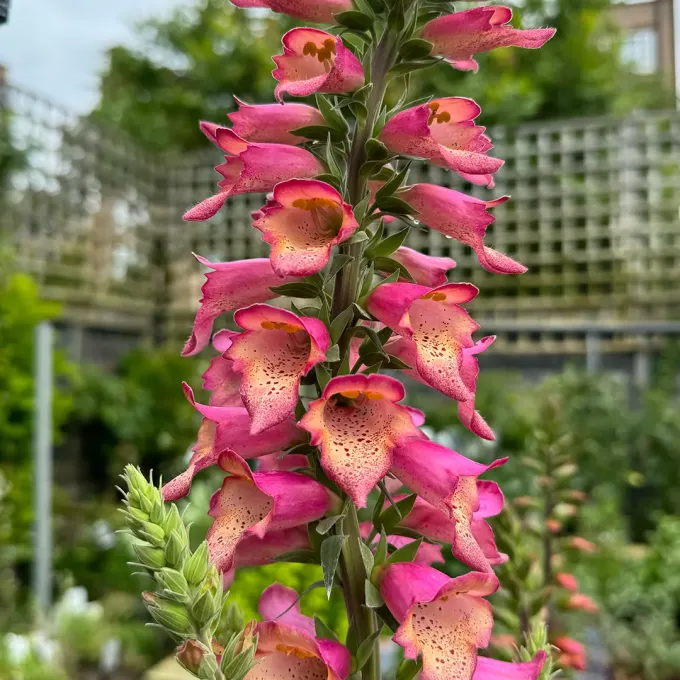
Description
Sowing dates
The sowing of Digitalis xvalinii is best initiated in early spring as soil temperatures reach a stable 10–12 degrees Celsius. Given the tiny size of the seeds, surface sowing or covering with a very thin layer of substrate is crucial to ensure successful emergence.
Seed stratification is often recommended to overcome dormancy and improve germination uniformity. Producers should ensure that the seed bed is finely tilled and free of large clumps that could impede the development of delicate seedlings.
When using a greenhouse for starter plants, sowing should occur roughly 6–8 weeks before the frost-free date. This approach allows for a more vigorous start once plants are transplanted to the field environment.
Spacing is a vital consideration during sowing to maintain optimal air circulation between plants. This management practice reduces the risk of moisture-related diseases that can plague the crop during early stages.
Post-sowing irrigation must be handled with precision, utilizing misting or gentle watering techniques to avoid displacing the seeds. Maintaining consistent soil moisture is essential for the initial establishment phase.
Growing requirements
Digitalis xvalinii is a member of the Plantaginaceae family and requires well-drained, fertile soil with a slightly acidic to neutral pH. High organic matter content is beneficial, as it supports the metabolic processes needed for glycoside production.
This crop thrives in full sun exposure. While it may tolerate partial shade in hotter climates, sufficient light intensity is directly linked to the concentration of active medicinal compounds in the foliage.
Adequate water supply is necessary, particularly during the vegetative growth phase. However, waterlogging must be avoided at all costs, as the root system is highly susceptible to hypoxia and fungal decay.
The plant performs best in temperate climates with moderate temperature ranges. Extreme heat or sustained drought can cause stress, leading to a reduction in leaf yield and quality during the harvest period.
Fertilization regimes should be balanced. Nitrogen is essential for early leaf development, but applications should be scaled back towards the end of the season to ensure that the plant properly matures and hardens off.
Main diseases and pests
The primary pathological threats to this crop include powdery mildew and various root rot pathogens. Management focuses on maintaining hygiene in the field and ensuring that no stagnant water surrounds the plants.
Aphids and caterpillars are the most common pests affecting the foliage. Because the leaves are used for pharmaceutical purposes, integrated pest management (IPM) techniques are preferred over harsh chemical insecticides.
Viral infections can sometimes occur, often transmitted by insect vectors. The removal of symptomatic plants is a mandatory procedure to prevent the spread of infections throughout the production site.
Slugs and snails can be particularly destructive to young rosettes in damp conditions. Using physical barriers or copper-based deterrents can help manage these populations without contaminating the final product.
Regular agronomic monitoring is necessary to catch infestations early. Maintaining a healthy ecosystem around the field encourages beneficial predatory insects that can help naturally control pest populations.
Harvesting
Harvesting Digitalis xvalinii focuses on the collection of leaves when they contain the maximum concentration of active pharmaceutical compounds. This phase typically coincides with the plant's peak rosette development.
Manual or mechanized harvesting must be performed carefully to leave the growing point intact, which supports potential regrowth. Avoiding contamination with soil or decaying matter is vital for meeting quality standards.
Prompt post-harvest processing is essential to prevent internal heating of the leaf mass. The material should be transported to drying facilities immediately following the harvest to maintain chemical integrity.
Drying is conducted in controlled environments with forced air circulation at temperatures between 40–50 degrees Celsius. Exceeding these temperatures can cause the thermal degradation of delicate medicinal compounds.
The final dried product is stored in dark, dry, and cool conditions to preserve its pharmacological potency. Proper packaging in breathable containers ensures that moisture levels remain below the 12% threshold for long-term stability.