
Siberian foxglove
Digitalis x sibirica Lindl.
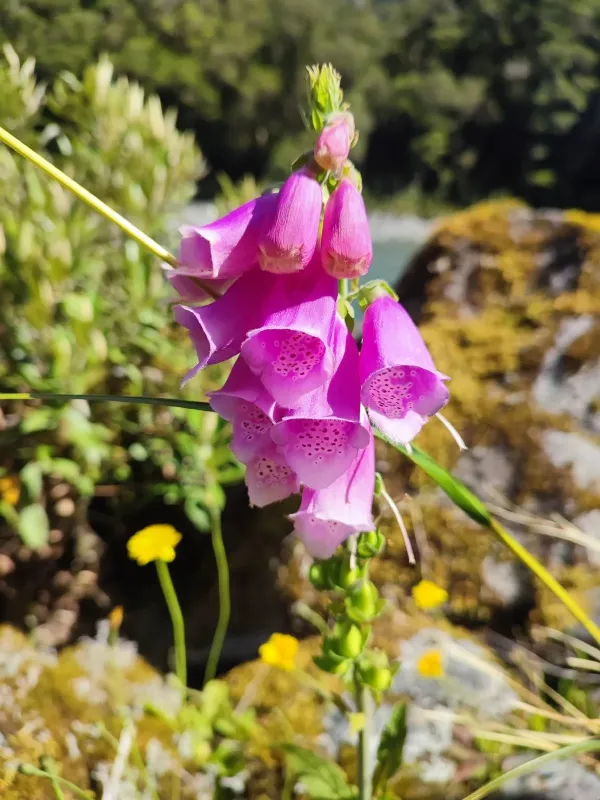
Description
Sowing dates
Siberian foxglove seeds are characterized by their extremely small size, requiring careful handling during the sowing process. Planting is typically performed in early spring once the soil temperature consistently reaches favorable levels.
Surface sowing is essential for this crop, as the seeds require exposure to light to trigger germination. They should be pressed firmly into the soil surface rather than buried deep to ensure optimal emergence rates.
In large-scale farming, the transplant method is often preferred to achieve uniform stands. Seedlings are raised in controlled environments before being transferred to the field once they reach a sufficient size.
Proper seedbed preparation involves creating a fine, weed-free surface. Given the seed size, the soil must be compacted slightly to maintain capillary moisture contact around the seeds during the germination phase.
Constant moisture levels are critical during the first few weeks after sowing. Irregular irrigation at this stage often leads to poor establishment and uneven crop density across the field.
Growing requirements
Siberian foxglove is a member of the Plantaginaceae family, thriving in temperate regions with moderate moisture availability. It prefers well-drained soils that prevent waterlogging of the sensitive root system.
Loamy or sandy soil types, enriched with organic matter, are ideal for maximizing biomass production. The soil structure should facilitate good aeration to promote healthy root development.
The plant requires significant light exposure, though it can tolerate partial shade in areas with high heat intensity. Consistent sunlight is necessary for the accumulation of active compounds within the foliage.
Regular maintenance of the inter-row space is crucial to eliminate competitive weed growth. Aerating the soil surface between rows helps improve gas exchange, which in turn supports vigorous vegetative growth.
Nutrient management focuses on balanced fertilization. Nitrogen applications are prioritized during the early growth stages, while potassium is essential later in the season to enhance plant hardiness.
Yield
The yield of Siberian foxglove is measured by the total mass of dry leaves harvested per hectare. Productivity is strongly correlated with planting density and the soil nutrient status of the field.
The harvest strategy focuses on maximizing the accumulation of beneficial compounds in the foliage before the flowering period progresses. Timing is key to ensuring the highest quality of the final product.
Water management is a decisive factor for yield stability. During dry spells, controlled irrigation practices are necessary to prevent premature senescence of the leaves, which directly impacts market value.
Effective pest and weed management throughout the growing season contributes to higher biomass yields. Minimizing biotic stress allows the plant to direct energy toward leaf development.
With standardized agronomic practices, the crop consistently achieves high-quality yields. Monitoring plant health throughout the vegetative phase is essential for predicting harvest volumes accurately.
Main diseases and pests
Powdery mildew represents a significant threat to Siberian foxglove, especially in conditions of high humidity and poor air circulation. Crop rotation is a recommended preventive measure.
Root rot, often caused by stagnant water or soil-borne pathogens, can cause localized dieback. Improving field drainage is the most effective way to mitigate this risk in vulnerable areas.
Pests like aphids and certain beetle species feed on the foliage, potentially damaging the leaf surface and reducing the quality of the raw medicinal material produced.
Nematode infestations may occur in poorly drained, heavy soils, leading to stunted growth. Monitoring soil health and crop rotation can significantly reduce the pressure from these soil pathogens.
Integrating biological pest control methods and strictly following pesticide guidelines are essential practices to ensure the crop meets pharmaceutical safety standards.
Harvesting
Harvesting should be conducted in dry weather conditions to facilitate efficient drying. Leaves are typically cut or harvested individually, taking care to avoid damaging the crown of the plant.
The optimal harvest time occurs when the plant enters the early flowering phase. Waiting too long can lead to the degradation of active compounds, which is detrimental to the product's quality.
Post-harvest logistics must be streamlined to prevent the raw foliage from overheating in transit. Proper ventilation is required immediately after collection to maintain fresh conditions.
Drying is a critical stage performed in temperature-controlled facilities. Maintaining specific heat and airflow settings ensures the preservation of the chemical integrity of the Siberian foxglove leaves.
Once dried to the correct moisture level, the material is sorted and packaged in airtight containers. Proper storage protects the harvest from humidity and light, preserving its medicinal potency for long-term use.