
Rusty foxglove
Digitalis x fulva Lindl.
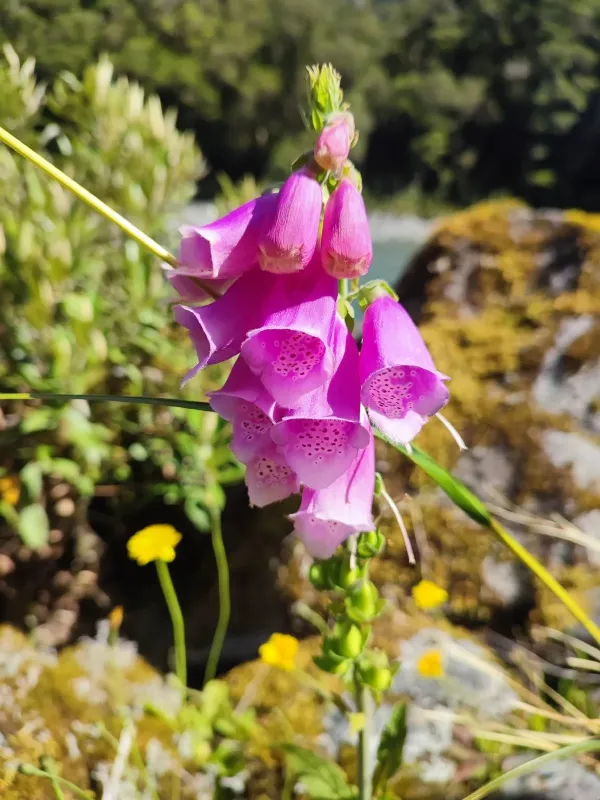
Description
Sowing dates
Sowing of Digitalis x fulva is usually carried out in the spring period when the soil warms up to 12–15 degrees Celsius. To produce seedlings, seeds are sown in trays in March or April, covering them lightly with a thin layer of substrate.
In open ground conditions, seeds can be sown before winter, which promotes natural stratification and more uniform germination in the spring. It is crucial to use a surface-sowing method because the seeds are very small and require sunlight for successful germination.
The optimal planting density for seedlings involves spacing them at least 30–40 centimeters apart. This spacing is essential for the healthy development of the basal leaf rosette during the first year of the plant's life cycle.
Maintaining constant soil moisture during the germination period is a critical success factor. If the top layer of the substrate dries out within the first two weeks, it can lead to the loss of young seedlings and low crop density.
Rusty foxglove is characterized by a long vegetative period, making timely sowing in the first half of the season a prerequisite for the successful development of a robust aerial part.
Growing requirements
The plant prefers areas with plenty of light, although it successfully tolerates light shade, allowing for its use in multi-layered garden beds. It is demanding regarding soil fertility, favoring loose loams with a neutral or slightly acidic pH level.
Providing proper drainage is necessary for normal development, as stagnant moisture in the root zone is detrimental to this member of the Plantaginaceae family. High humidity often triggers root rot during the winter season.
The plant has moderate frost resistance, yet in regions with harsh winters, it requires mulching of the root zone with peat or leaf litter. This protects the growth point from sharp temperature fluctuations.
Mineral fertilization should be performed twice per season: during the phase of intensive rosette leaf growth and at the start of flower stalk formation. Nitrogen fertilizers should be limited to prevent excessive green growth at the expense of flowering.
The irrigation system should be moderate but regular during dry spells. It is important to avoid spraying water directly onto the leaf blades to minimize the risk of developing fungal pathogens.
Main diseases and pests
The main biological threats to Rusty foxglove are fungal diseases such as powdery mildew and various types of leaf spot. Broad-spectrum fungicides should be applied at the first sign of infection to effectively control the spread.
Pests such as aphids and bugs are frequent, as they damage the juicy leaves and extract cell sap. Using biological or chemical insecticides helps maintain pest populations at manageable levels.
The plant's root system is extremely sensitive to nematodes. Preventing infestation involves practicing crop rotation and avoiding planting in areas where crops susceptible to these parasites were previously grown.
Overwatering the soil often leads to gray mold infections, which spread rapidly across stems and flower stalks. Timely removal of affected parts and improved soil aeration allow for the containment of disease outbreaks.
It is vital to remember that foxglove contains cardiac glycosides. Safety protocols, including the use of protective gloves, must be followed when handling the plant to prevent toxins from contacting skin or mucous membranes.
Harvesting
Harvesting medicinal raw materials, primarily leaves, is conducted in the first year of the plant's life before the onset of active flowering. Leaves should be carefully cut without damaging the central growth point, allowing the plant to survive the winter.
Drying of the harvested material must take place at temperatures not exceeding 40–50 degrees in well-ventilated areas or specialized dryers. Excessive heat can degrade the active pharmacological substances.
After drying, the material should be stored in airtight containers, protected from direct sunlight and high humidity. Properly dried leaves typically have a shelf life of up to two years.
As an ornamental plant, maintenance involves removing faded flower stalks, which stimulates the plant to produce lateral shoots and prolongs the aesthetic appeal of the planting site.
Seed collection is performed after the pods turn brown. They are harvested, allowed to finish ripening in paper bags, then cleaned of plant debris and stored in a cool, dry place until the next sowing season.