
Spanish foxglove
Digitalis thapsi L.
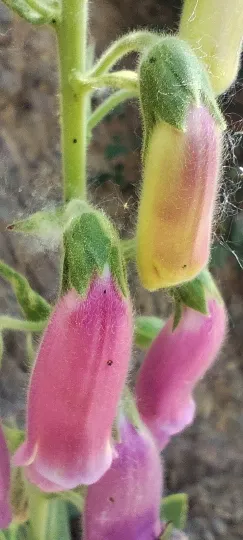
Description
Sowing dates
Sowing Spanish foxglove is best performed in the spring season when the soil has sufficiently warmed up to support rapid seed germination.
Since the seeds are extremely small, they should be surface-sown on a well-prepared, fine-textured seedbed without covering them with soil.
Maintaining a consistently moist environment during the initial two weeks is critical for successful emergence of the young seedlings.
For greenhouse production, sowing in late winter allows the plants to establish a robust rosette before being transplanted outdoors in the spring.
Providing adequate sunlight and moderate temperatures is essential during the early sowing phase to ensure vigorous development of the plant.
Growing requirements
Spanish foxglove is a member of the Plantaginaceae family, native to the rugged and high-altitude terrains of the Iberian Peninsula.
The plant thrives in well-drained, sandy loam soils with a neutral or slightly acidic pH, avoiding heavy clay soils that retain excess moisture.
It prefers sunny to partially shaded locations, making it a highly versatile plant for various landscape configurations and medicinal plantations.
Water requirements are moderate; the plants appreciate regular moisture but are highly susceptible to root rot if left in waterlogged conditions.
Cooler night temperatures combined with warm days contribute to the intense coloration of the flowers and the quality of the foliage.
Yield
The yield of Spanish foxglove is primarily measured by the total biomass of leaves collected for pharmaceutical processing and extraction.
The concentration of cardiac glycosides in the leaves is the key indicator for determining the optimal timing for harvesting and commercial quality.
Yields can be maximized through balanced fertilization, ensuring the plants have enough nitrogen during the rosette phase to build biomass.
In ornamental horticulture, the productivity is measured by the number of spikes produced, which serves as a metric for its aesthetic value.
Consistent crop management practices, including weed control and spacing, significantly improve the yield per square meter in farming environments.
Main diseases and pests
Powdery mildew is a common fungal threat that appears during periods of high humidity and poor air circulation around the plants.
Leaf spot diseases, caused by various fungal pathogens, can severely damage the foliage, rendering it unsuitable for medicinal use.
Aphids represent the most significant pest pressure, as they congregate on the undersides of leaves and can transmit viral infections.
Root and crown rot are frequent issues in areas with poor drainage, often leading to sudden decline and death of the entire plant.
Integrated pest management strategies are essential to maintain plant health while minimizing the use of broad-spectrum chemical pesticides.
Harvesting
Leaves for medicinal use are typically harvested during the flowering stage, as this is when the active compounds reach their peak concentration.
Care must be taken to harvest only clean, healthy leaves, avoiding any material that shows signs of fungal infection or pest damage.
Drying the collected plant material immediately is necessary to stabilize the glycosides and prevent microbial growth during the curing process.
The temperature during drying must be carefully controlled to ensure that the active pharmaceutical ingredients are not degraded by excessive heat.
Once dried to the desired moisture level, the product should be stored in airtight, dark containers to preserve its pharmacological efficacy.